
 What do North Carolina and Wisconsin have in common? On the surface of it, perhaps not much: one has subzero winter temperatures and the other sweltering summers with off the charts humidity. But more and more people are seeing parallels between the tar heel and badger states, particularly the power of unregulated big money in politics. As more and more North Carolinians come to the state capitol every week protesting cuts to unemployment insurance, tax cuts for the state’s wealthiest citizens, loosening of environmental regulations, and threats to voting rights, we see a need for greater discussion about the ways in which big corporate money has been a factor in these policies being pushed. That’s why Working Films partnered with Democracy NC and United for a Fair Economy to host two screenings in North Carolina last week of Citizen Koch, a story about money, citizenship, and democracy that looks closely at the influence large donors – in particular the Koch Brothers – had in the election and recall of Governor Scott Walker in Wisconsin. As Jake Geller-Goad, Field Organizer for Democracy NC, said “We may have Art Pope (conservative campaign financier and now budget director for NC Gov McCrory) instead of Koch, but there are a lot of similarities between that movement and what’s going on [in NC] with Moral Mondays. And there is a lot to learn from those who have gone through this process before.”
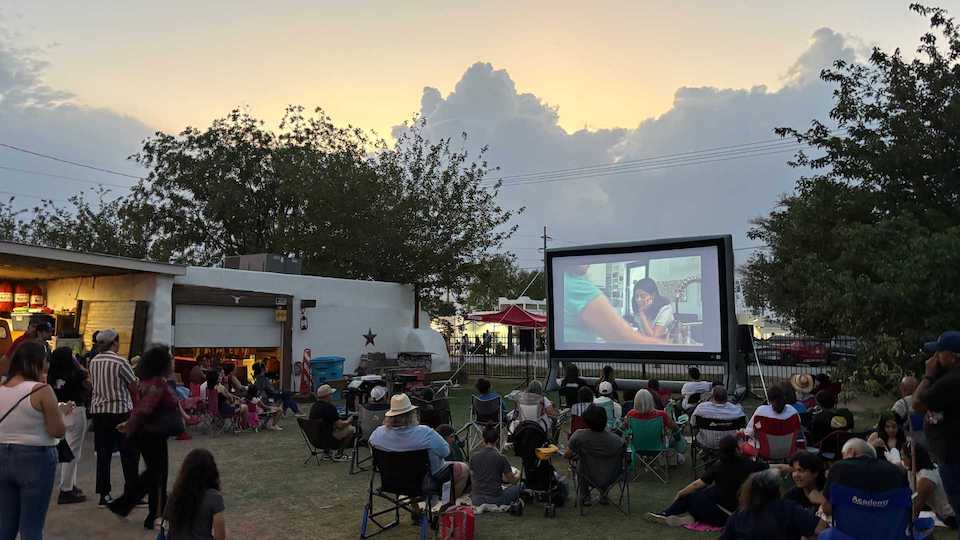
On June 25th, we screened Citizen Koch in Greenville, NC to a packed church of community members and organizers. The audience heckled some of the subjects on the screen with angry shouts. The crowd erupted in laughter at the almost absurd level of similarity between the two states; including statements from politicians in Wisconsin that are now playing like a broken record in NC.

After the film, there was a robust dialogue focused on how attendees can get involved locally and in Raleigh, which is where citizens from across the state are gathering each Monday. We discussed long term strategies to limit the influence money is having in NC and the current work of organizations and groups audience members are involved in. It was a great opportunity for cross pollination and networking amongst diverse organizations. Organizers and members of groups like the NAACP, AFL-CIO, Democracy NC and others were able to share ideas, inspire each other to step up their work, and lay ground for future collaboration.
The second screening was in Durham, NC last Sunday, June 30th. Citizen Koch played to a full house at the 115 seat Full Frame Theater – so full that we had to turn some folks away because we just couldn’t fit anymore. The crowd responded with cheers and jeers and gave it a resounding ovation as the credits rolled.
We’re always looking for that moment after a screening when we can facilitate the move from a personal experience and reaction to the film, to channeling the audience’s emotions into action. This screening provided one of those. As the film concluded, a woman in the front row described feeling overwhelmed and saddened at the power that the enormously wealthy have to drown out the voices of regular people in our democracy. Bob Hall of Democracy NC honored her frustration, and immediately jumped in with an answer, “That’s why we have Moral Mondays. Join us!” Moral Mondays are demanding that representatives and senators to work in the interests of all North Carolinians, not simply the wealthy few. There was a shift at this point.  The audience was energized, letting out some audible “whoops” and “yeahs!” Bob and other audience members shared more about the Moral Monday mobilizations for those that were unfamiliar. We did a quick audience poll to find out who had been or was planning to go the following day and more than two thirds of the group said Yes. (Our co-director, Anna Lee ran into a few of them the next day on the porch of the General Assembly).
  Wrapping up, representatives of the NC Justice Center shared information about their work for tax justice and to address money in politics and asked the audience to sign a petition. At least a third of the audience signed.
At both screenings, NC audiences learned about Public Television’s decision to pull funding for and broadcast of Citizen Koch. This was news for many in the group. They were incensed at the censorship and ready to take action in support of the film. Just last week, Working Families started an online petition calling on PBS to air Citizen Koch.

The power of films like Citizen Koch to anger, inspire, and motivate people to actually DO SOMETHING is core to our mission. These two showings are a kick off to more work we have planned in our home state. We can’t wait to see impact.