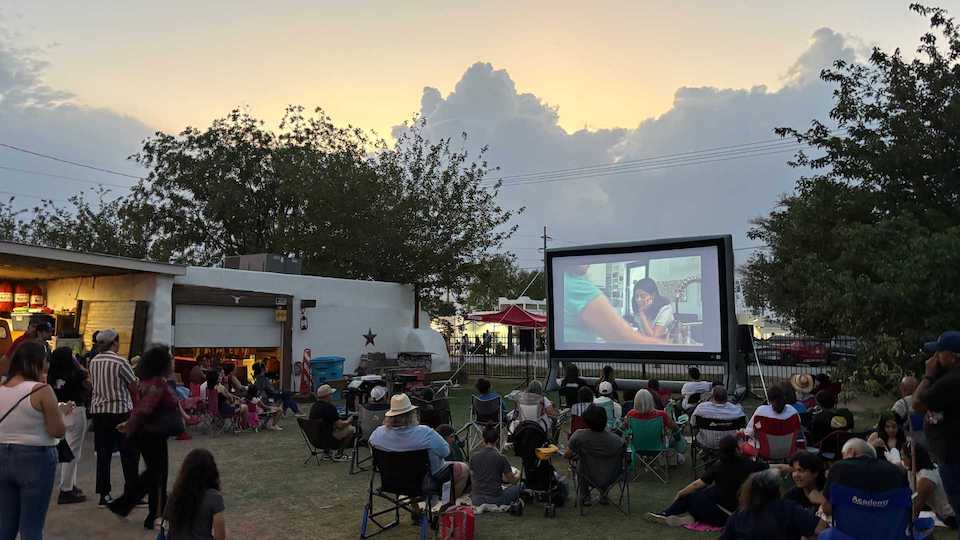
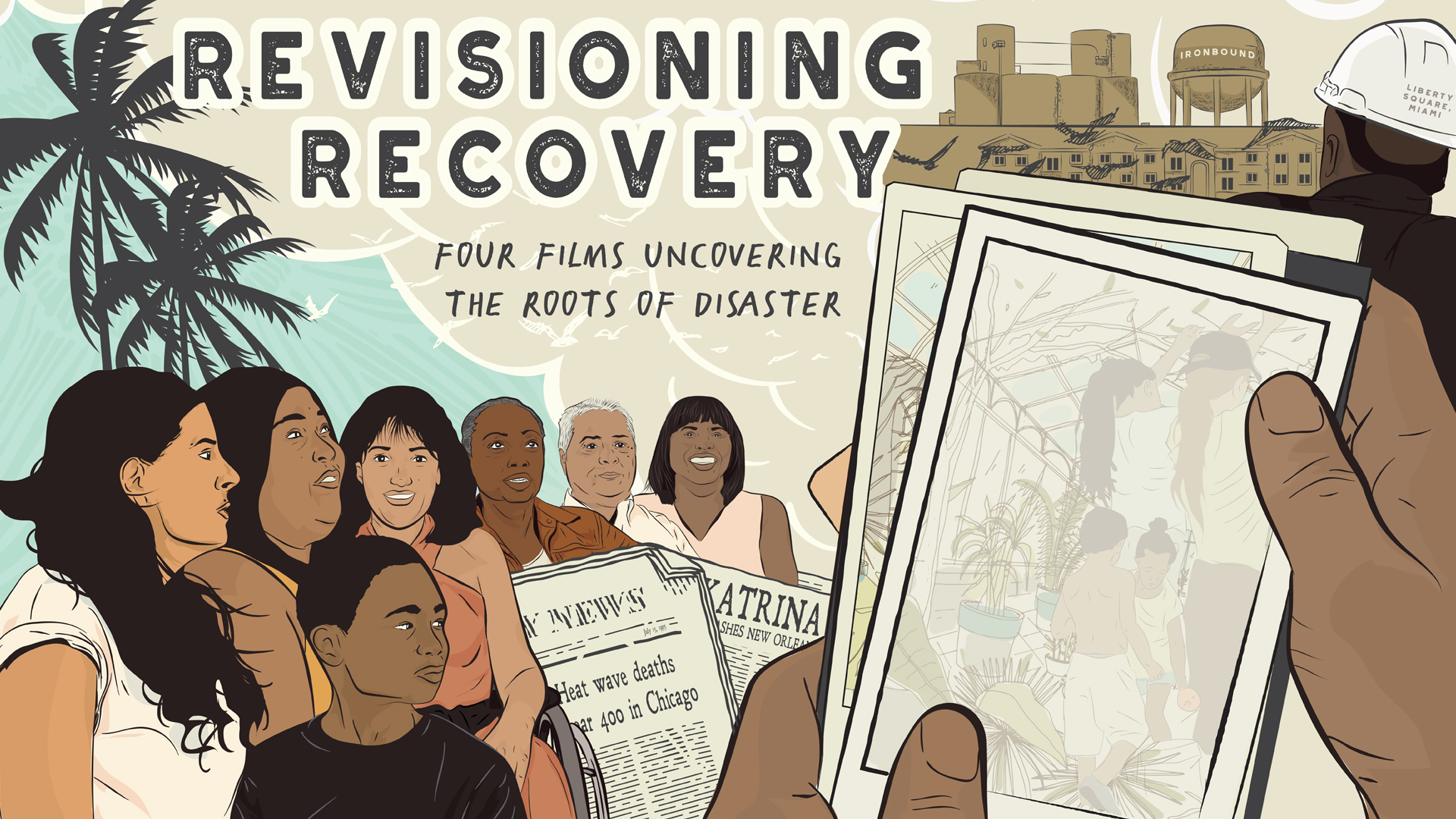
North Carolina Humanities and Working Films have collaborated on an exclusive version of Revisioning Recovery: Films Uncovering the Roots of Disaster, a limited-time documentary and discussion series for communities in North Carolina.
Revisioning Recovery features a collection of five short films that tell environmental disaster recovery stories and examine historical inequities that worsen when disasters hit. Sponsored by North Carolina Humanities, these free events will also include interactive, post-screening discussions. The first screening event will take place on February 17, hosted by Alamance Community College with upcoming events happening in Alleghany, Macon, Nash, New Hanover, Onslow, Wake, and Watauga counties. For a list of locations and dates, please visit www.workingfilms.org/revisioning-recovery/nchtour.
The films featured in Revisioning Recovery include Robeson Rises, directed by Michael Pogoloff; Razing Liberty Square (work-in-progress) directed by Katja Esson; The Right to Be Rescued, directed by Jordan Melograna & Rooted in Rights; The Sacrifice Zone, directed by Julie Winokur; and a sneak peek of We Still Here, directed by Eli Jacobs Fantauzzi. You can watch the trailers for these films at www.workingfilms.org/revisioning-recovery.
“The underlying themes and messages explored in these films resonate with environmental events we are experiencing today,” said North Carolina Humanities’ Executive Director Sherry Paula Watkins. “It is our hope that these films will bring people together, virtually or in a limited capacity, to have meaningful discussions about our varied relationships with the environment and equitable disaster preparedness, response, and recovery in our state.”
Working Films Impact Coordinator, Hannah Hearn, adds “most of our team is based in North Carolina, so we are no stranger to the issues that arise with disaster prep and recovery. We have seen our same community members who are overlooked in everyday life continue to be overlooked during disasters. The inequities that have always been there become glaringly apparent. We hope this tour promotes conversations on this issue, even after the screenings are over, and we hope it encourages people to take next steps to figure out how to create equitable emergency response in their own town.”
Communities across North Carolina, and the United States, have faced increasing threats from climate disasters including hurricanes, wildfires, floods, and tornadoes which leave them hoping to recover before the next climate event occurs. Equitable disaster preparedness and recovery are important, especially in communities where preparation and recovery efforts have historically experienced inequities. Revisioning Recovery examines and explores the issue of how preparedness and recovery can become more inclusive and allow everyone to thrive .
About the Revisioning Recovery Collaboration:
North Carolina Humanities and Working Films have partnered on this presentation of Revisioning Recovery as part ofNorth Carolina Humanities’ “Watershed Moments” initiative and Working Films’ Revisioning Recovery campaign.
“Watershed Moments” was created by North Carolina Humanities to explore our varied relationships with the environment, culturally and historically. Programs include a Statewide Read of The Water Knife by Paolo Bacigalupi, and Dry by Neal and Jarrod Schusterman as well as the statewide tour of the Smithsonian exhibit, Water/Ways. “Watershed Moments” is part of the national initiative on “Democracy and the Informed Citizen” administered through the Federation of State Humanities Councils and funded by the Andrew W. Mellon Foundation. North Carolina Humanities is a statewide nonprofit and affiliate of the National Endowment for the Humanities.
Revisioning Recovery is a project of Working Films, a national nonprofit organization based in Wilmington, NC. Recognizing the power of stories to inform and inspire, Working Films builds partnerships between nonfiction media-makers, nonprofit organizations, educators and advocates to advance social justice and environmental protection, and support community-based change.
To stay up to date on upcoming screenings, visit www.workingfilms.org/revisioning-recovery/nchtour.