
Working Films is looking for short documentaries to inform and mobilize residents from coast to coast to stop offshore drilling!
And no, you’re not having Déjà vu. The original compilation of shorts, Shore Stories, helped support the resistance to opening the East Coast to drilling in 2016. And now we’re back at it again as the Trump Administration looks to expand offshore drilling to new areas including the Arctic, Atlantic, and Pacific Oceans.
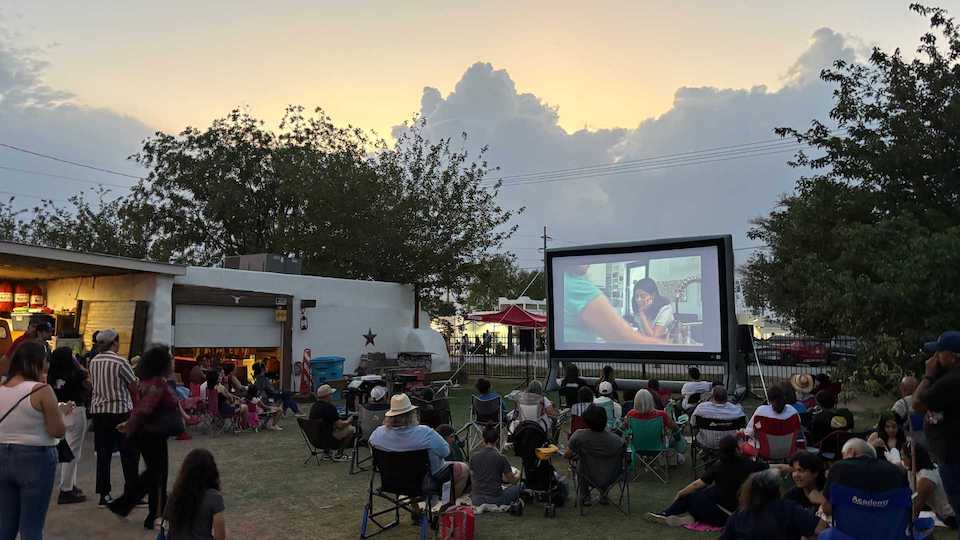
Communities across the country are standing up against these plans, and we’re looking for powerful short films that can be a resource in these efforts. Together with our partners at the Surfrider Foundation, Oceana, and dozens of grassroots groups, Working Films will coordinate a tour of Shore Stories in coastal communities across the nation starting early 2018.
We will consider shorts, excerpts from feature length films, and multi-platform film projects. Screening rights fees will be paid and we will provide free impact consultation to selected filmmakers and offer peer-to-peer networking and support opportunities. An emphasis will be placed on films that feature personal stories, as well as media made by and about people of color. We will consider works-in-progress if it’s at a strong stage, is reasonably audience-ready, and is short. If you have a work-in-progress, we suggest offering one selection, rather than a full rough cut. Please do not apply if your film is not available for public use.
We’re looking for films that tackle the following:
– Stories of impacts and/or resistance to offshore drilling and seismic airgun blasting from the West Coast and Arctic.
– Reaction to government proposals to expand offshore oil and gas development in the Atlantic, Pacific, and/or Arctic Oceans.
– Coastal tourism, recreation, fishing, culture and economic drivers that could be negatively impacted by offshore oil and gas development.
– The impacts of offshore oil and gas development on the marine ecosystem and communities dependent upon it, including stories from the Gulf of Mexico after the 2010 BP Deepwater Horizon disaster or the West Coast after the 1969 Santa Barbara disaster.
– The beauty of coastal communities, and the unique ways of life that could be threatened or lost.
– Clean energy alternatives.
– The importance of public engagement and activism, and examples of how to get meaningfully involved.
– Success stories of standing up to Big Oil.
Submit your film here by December 22nd to be considered for Shore Stories.