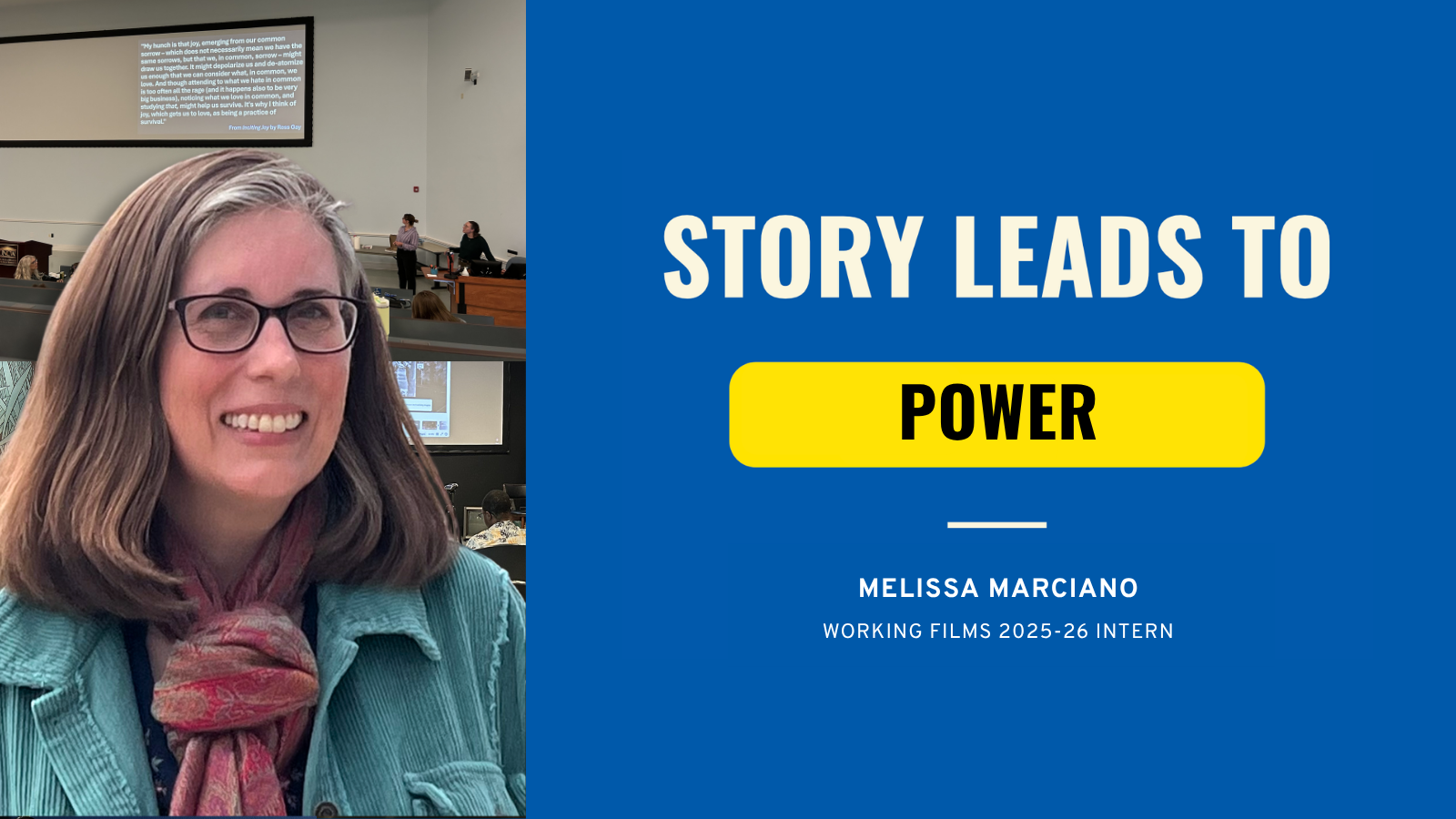
Working Films got to work with Melissa Marciano over three semesters through our Social Impact internship with UNC Wilmington. Melissa came with a rich background in arts education and was getting her Masters in Social Work to grow even further into her values of deep community care and collaboration. We’re honored to have been able to support and work alongside her in her journey of weaving together film, social justice approaches, and macro social work to make an impact. Below are reflections based on three semesters of deep conversations we had about community-led social change strategy and how we all go about making meaningful, lasting change in these times. – Hannah Hearn, Impact and Fellowships Lead
As I look back on my journey of becoming a social worker in practice, there are so many things to say. I am grateful for this opportunity and for what this work has given me. I had no doubt that social justice work—and using film to showcase the stories that need to be heard, seen, and understood—mattered. And then the unthinkable happened: the dismantling of supports for non-profits like Working Films.
This has led me to question where I should place my time, energy and advocacy. Is social justice film impact work shifting the dominant narratives? Is it worth the time and energy? Does it matter? These are hard questions, but necessary ones. They made me reflect deeply on my work as a social worker and what I learned during my time with Working Films.
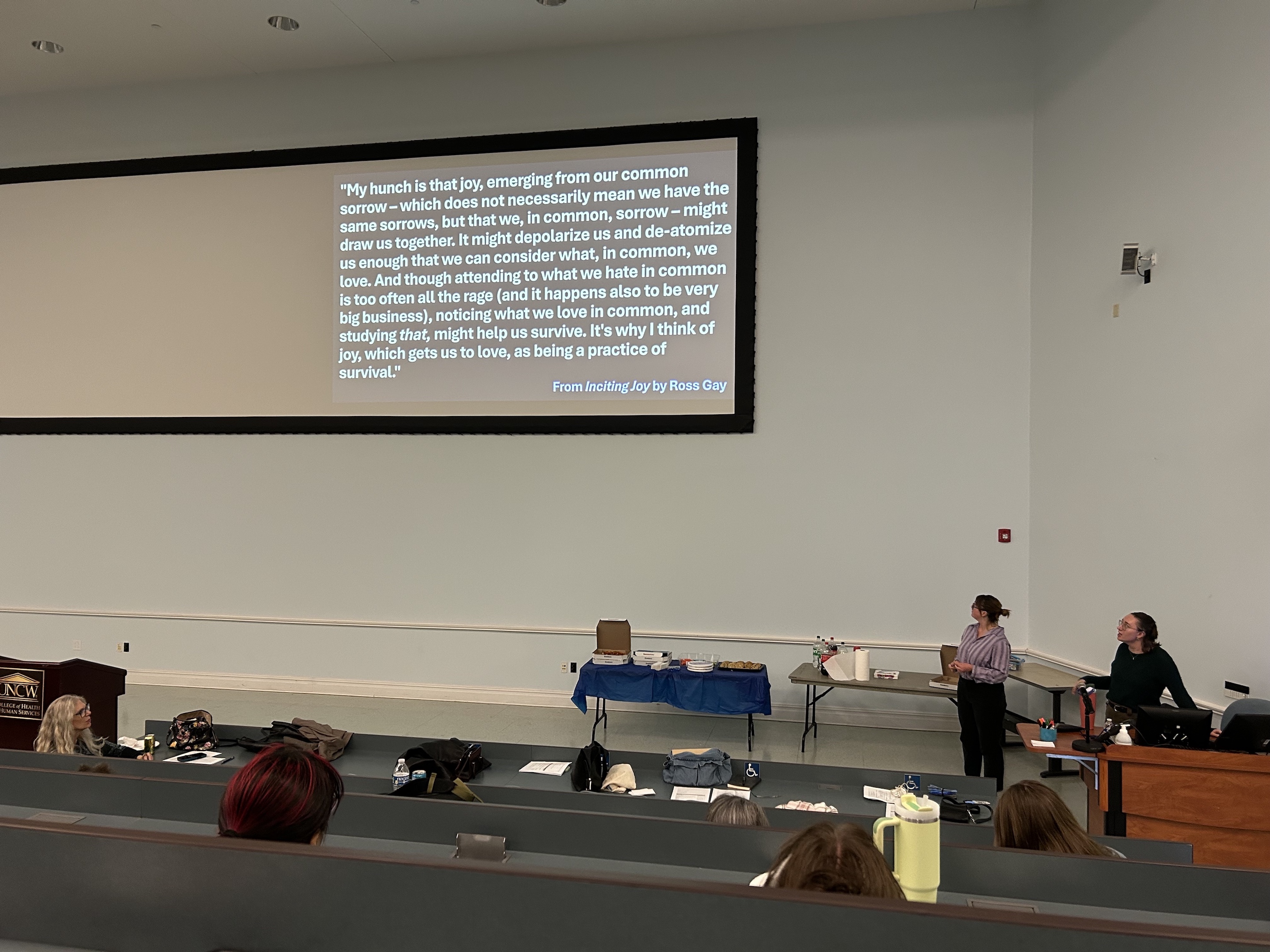
Here is what I have learned: this work matters. It REALLY matters. This work—the sharing of stories, allowing the voices that should be heard, need to be heard, and must be heard—matters. Challenging harmful narratives that focus on separation, hierarchy, and hate matters. Showing there is a path forward that honors the individual experience of ALL people matters.
As a social worker, I am charged with empowering individuals and recognizing the worth and dignity of every person. I must reflect on my own bias and identity, speak from the “I,” and understand that the client is the expert of their own life. I am there to support, guide, and help people gain the tools, knowledge, and abilities they need to live their best lives.
Through this lens, I have learned that change is not just about understanding the problem. It is about what actually leads to change. It is about connection, empathy, and the ability for people to be seen and heard in ways that move beyond assumptions and stereotypes.
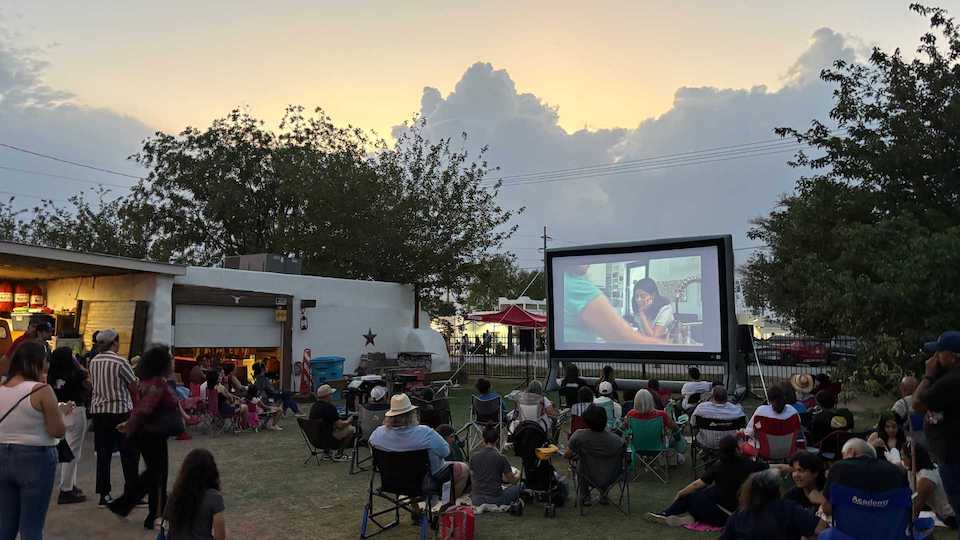
I have learned what a powerful tool documentary film can be when it is used intentionally—when films are ethically created and shared with the right audiences, with purpose-filled actions planned around them.
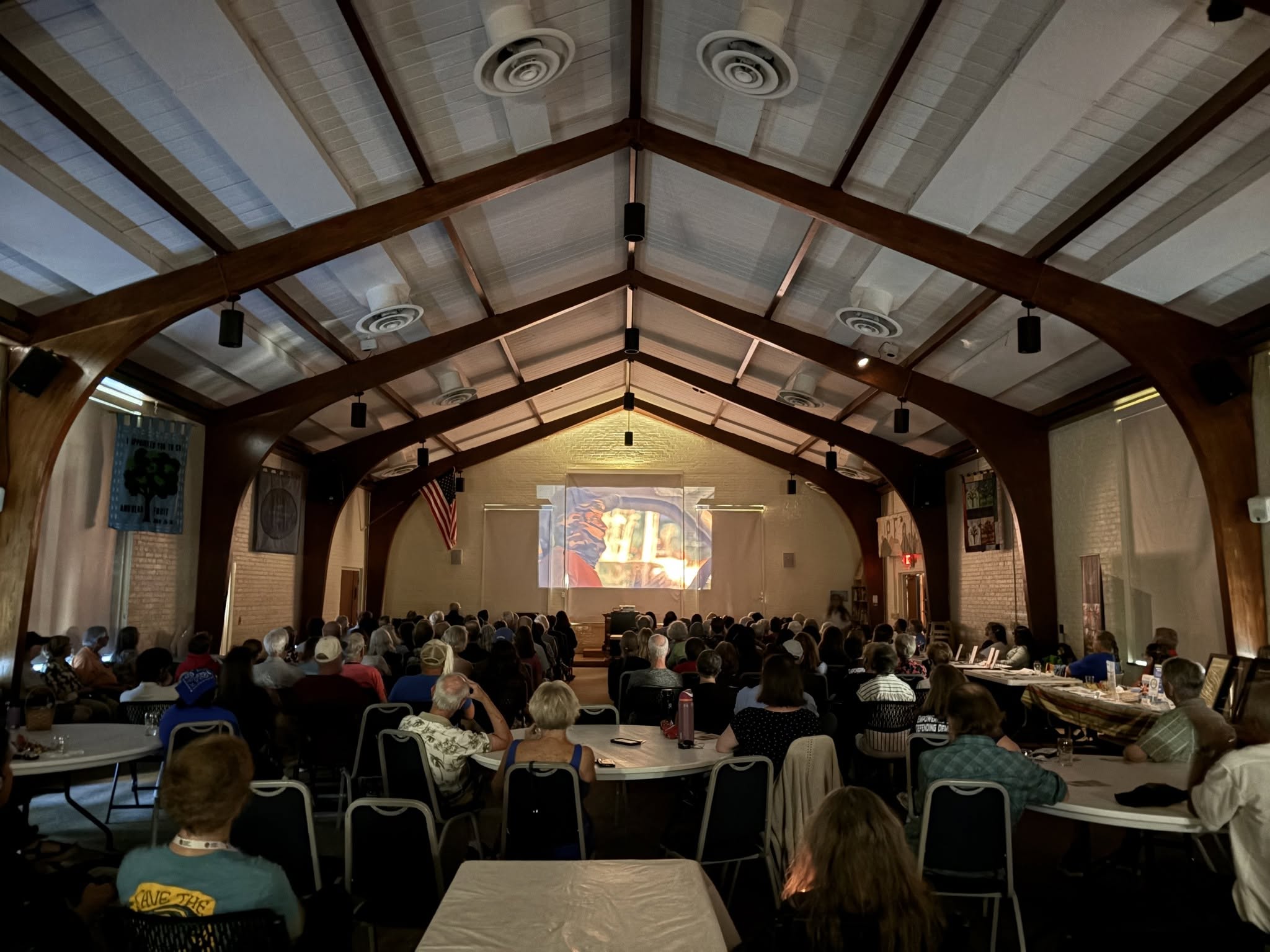
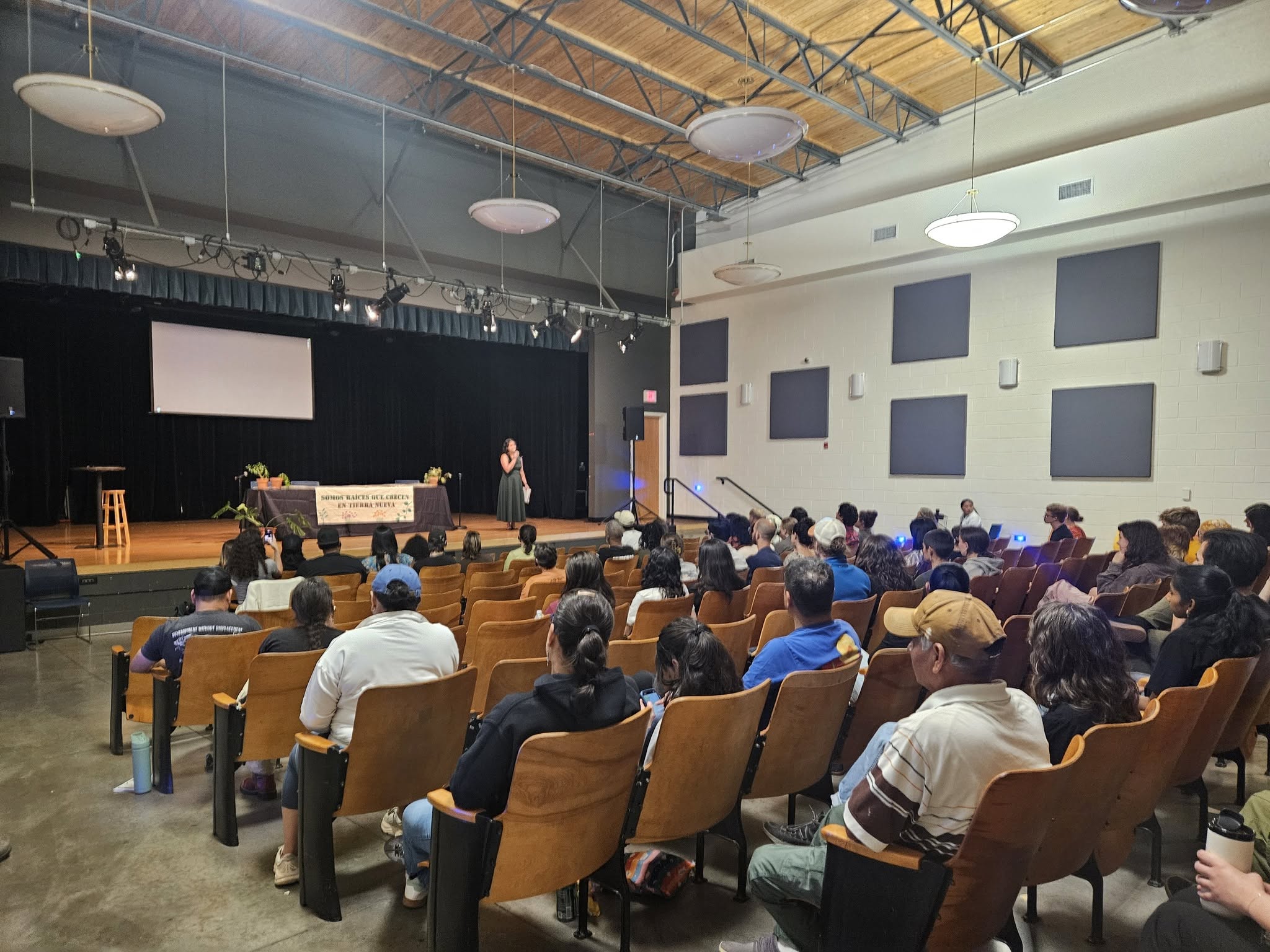
When impacted communities cannot be in rooms of power, their voices can still be the ones heard, through documentary film. Participants in the films tell their stories on their own terms and help guide how and where those stories are seen. They speak to their lived experience, cutting through the noise of how the world often sees them. I have witnessed the power of film professionals connecting with high school students, sharing their wisdom, and how in an industry that lacks diversity, there IS a place for them. I also learned from the Works-in-Progress program that uplifts and provides wrap-around care and guidance for underrepresented documentary filmmakers. This program ensures film projects that speak the lived truths of communities that often are silenced, are heard.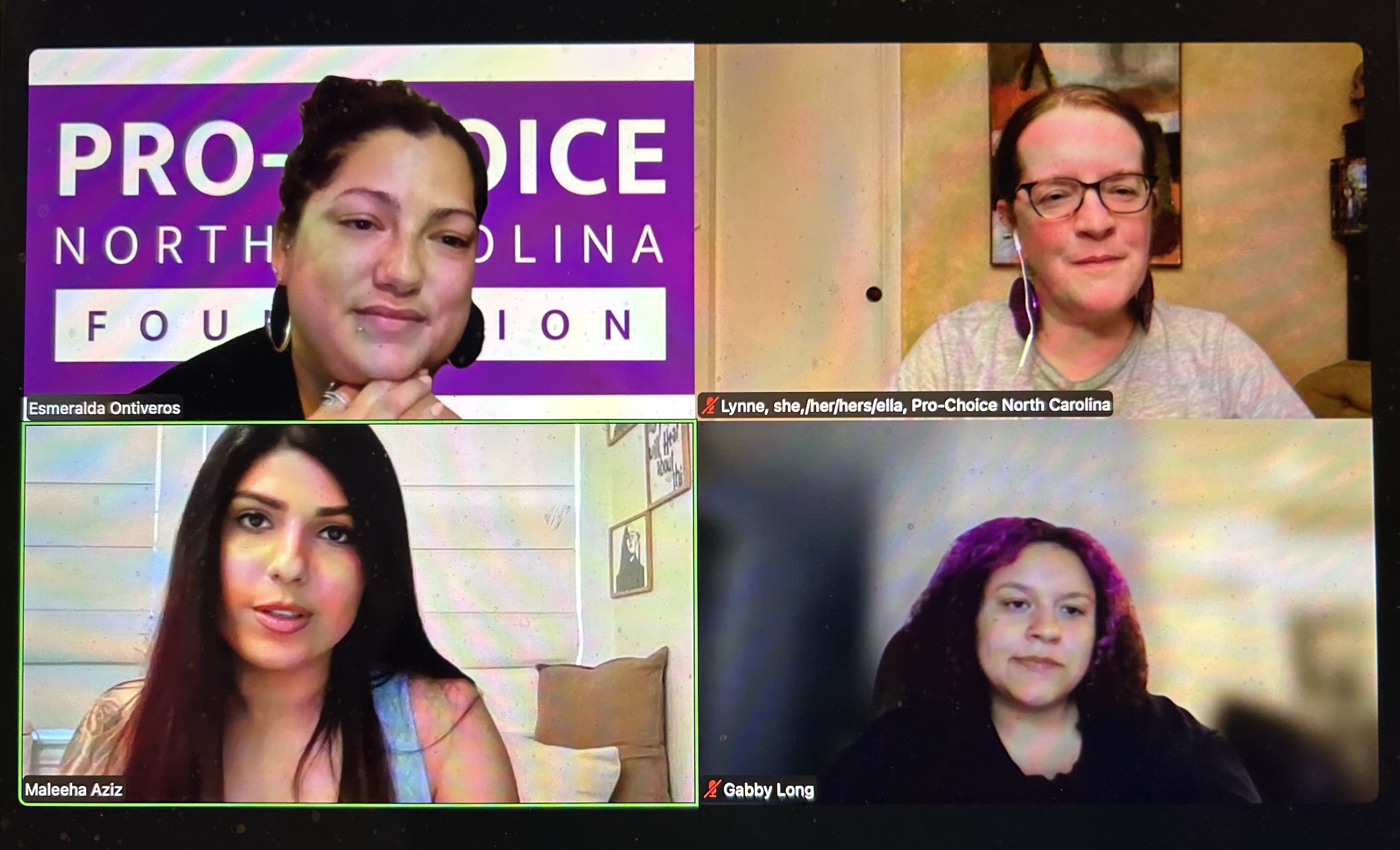
This is how I, as a social worker, can harness the power of film—to be an ally who finds ways to ensure I do not speak for communities, but instead create pathways for them to speak directly to those who hold the power to make change. This aligns with a core approach in social work, Anti-Oppressive Practice. It shifts my role from advocate to ally, centering voices that are often sidelined and bringing them to the forefront. Documentary film campaigns that are led by the impacted people build community, empower others impacted across geographies and offer paths forward from challenging the status quo to creating a more just society.
This is what I have learned in my internship with Working Films. Filmmakers make film; community organizers rally people in every corner of America; and organizations like Working Films act as a catalyst, ensuring that the people who most need to be heard actually are. As I wrap up my MSW internship with Working Films, I leave with a feeling of gratitude and purpose.
This work matters.
For 25 years, Working Films has harnessed the power of documentary to ignite action. Help us continue this work by donating to our Courage Has a Cost campaign. Every dollar raised through this campaign helps ensure that courageous filmmakers, workers, organizers, and communities can keep telling the stories that too many systems try to silence. Join us: workingfilms.org/donate.