
I just got back from the LGBT Blogger and Citizen Journalist Initiative Summit in Washington, DC which was sponsored by Jonathan Lewis, Human Rights Campaign, Bolthouse Farms, Victory Fund, Center for American Progress Action Fund, National Organizing Institute, National Gay and Lesbian Task Force and many others.
I met many different kinds of bloggers and writers. Some were personal bloggers who did not consider themselves activists while others were hard core activists and politicos. We all shared one thing in common: We all identified as Lesbian, Gay, Bisexual, Transgender and/or Queer although everyone had different experiences of writing and of life itself. We each had our own story which helped us to create visibility by personalizing the gay rights struggle. By writing about individual instances, we are able to address the bigger picture at hand.
On Saturday, there was a tense discussion about Proposition 8 which led us to the question “who is to blame?” Fellow blogger Alex Blaze wrote a post summarizing the Prop 8 discussion on the Bilerico project. The pro-Prop 8 campaigns were run incredibly well. They focused on issues that affected people emotionally such as family and children while the opposition created counter-ads that seemed defensive and, to a point, offensive. No wonder we lost as badly as we did; our message was not as tight and strategic as it could have been.
Instead of telling our own stories, we jumped on the back of the Civil Rights Movement claiming that our struggles are the same African Americans faced. Instead of defining what we truly want when we say “marriage”, we’ve just thrown around broad terms that can mean anything to anyone. We need to focus on OUR story. The story of being able to adopt children and have families of our own. The story of being able to visit our partners in the hospital. The story of young school children who are ashamed to have same-sex parents because everything they’ve ever learned outside of the home has told them their family is not normal.
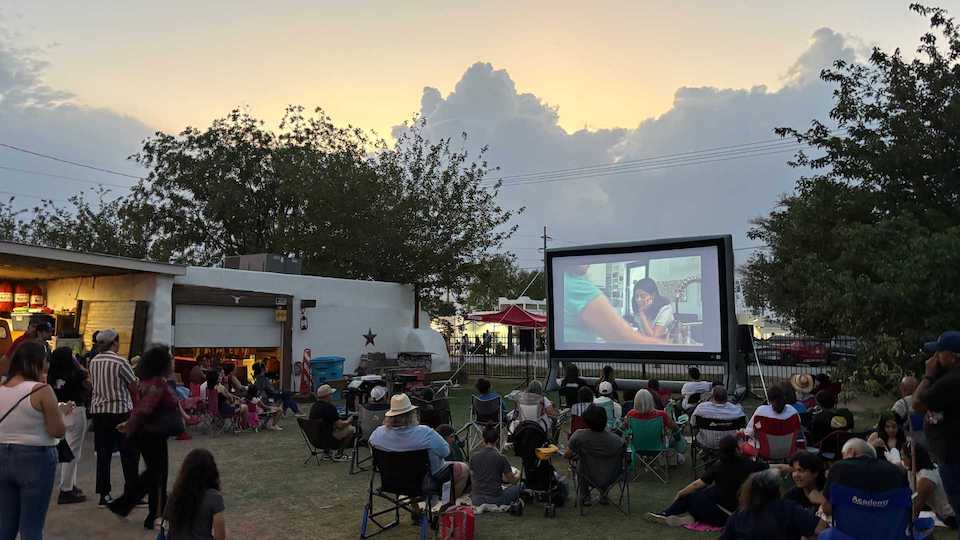
I realized over the weekend how important it is to be a storyteller; not only through writing but in all forms of expression: music, art, and film. Filmmakers have such an important role in telling these stories. Over the years, more films and even television shows include LGBTQ characters and storylines. At Working Films, we have had the opportunity to work with some amazing documentaries, including Trembling Before G-D, Ask Not, and Jim In Bold.
Trembling Before G-D tells the story of Hasidic and Orthodox Jews who are gay or lesbian and the challenges they face balancing their religious beliefs and sexuality. This film has sparked dialogues across many cities and religions. Ask Not explores the Military’s “don’t ask, don’t tell” policy and shares the experiences of gay and lesbian soldiers. Jim In Bold exposes the harsh reality of intimidation and abuse often faced by LGBT youth through the story of the suicide of a high school student, Jimmy Wheeler.
It’s important to frame the issues we feel passionate about in a way that connects to people on a personal level . While personal bloggers may not consider themselves activists, the affect of their intimate testimonies might prove otherwise. Whatever form it takes, storytelling is a powerful tool for change and one we should all use.