
Environmental Justice

Curbing our oil consumption with No Impact Man

July 19, 2010 BY Molly Murphy

In an OpEd in the New York Daily News, No Impact Man Colin Beavan tackles the connection between our consumption-based economy and the BP oil spill. He opens his piece comparing oil to alcohol:

Question: When an alcoholic leaves a bar, gets behind the wheel and drunkenly drives into his third or fourth wreck, do you blame the bartender who served the drinks or the alcoholic who drank them? Now answer this: When a society addicted to greater and greater fossil fuel use experiences what may amount to the largest oil spill in world history – after a growing number of other fossil fuel catastrophes – do you blame the oil company that drilled for the oil or the society that uses it?

Colin goes on to provide examples of how we might find ourselves being guilty of over consuming fossil fuels. He states, “Typically, our knee-jerk is to blame the greedy corporations and do-nothing politicians. But how much more could be accomplished if each American accepted that he or she plays a part in the problem and therefore could contribute to the solution?”

The No Impact Project challenges us to take a step back and look at our lifestyles to see where we can make less of a carbon foot print on earth by using as little energy as possible. Through the experiment, people realize that they can live fulfilling lives without the things they take for granted everyday. For more information about the No Impact project and to participate in the experiment, visit www.noimpactproject.org.

Watch the video below to see the impact of the No Impact Week Project:
RELATED NEWS

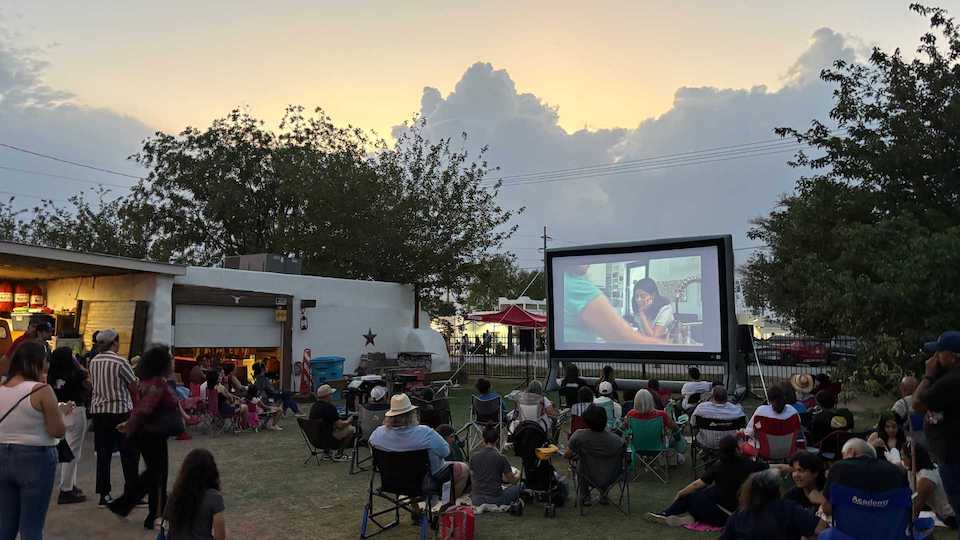
Come on In: Building Spaces People Want to Join

How can film screenings become the welcoming spaces organizers need: places where people feel invited in, and leave feeling like they belong? In this conversation, Working Films’ Director of Campaigns and Strategy, Andy Myers, chats with Daniel Solorzano with Amanecer in El Paso, Texas and Warren Tidwell with Alabama Center for Rural Organizing and Systemic Solutions (ACROSS) about what it takes to create spaces that break down barriers, dissolve left/right binaries, and give more people a sense of ownership in our movements. These two organizers were part of the 2025…

Story Leads to Community: Ava Auen-Ryan, Iowa Citizens for Community Improvement

How do film screenings build community in rural and small towns? Andy Myers, Director of Campaigns and Strategy, chats with Ava Auen-Ryan, community organizer with Iowa Citizens for Community Improvement (Iowa CCI). They discuss how relationship building is at the center of rural organizing. Leading with intentionality, organizers can use the power of story and community film screenings to bring people into their membership base and build power to create social change. Andy: I always think of film as a great tool specifically for organizers that work with the people.…

Call for Media to Stop Offshore Drilling

  Working Films is looking for short documentaries to inform and mobilize residents from coast to coast to stop offshore drilling! And no, you're not having Déjà vu. The original compilation of shorts, Shore Stories, helped support the resistance to opening the East Coast to drilling in 2016. And now we're back at it again as the Trump Administration looks to expand offshore drilling to new areas including the Arctic, Atlantic, and Pacific Oceans. Communities across the country are standing up against these plans, and we’re looking for powerful short…