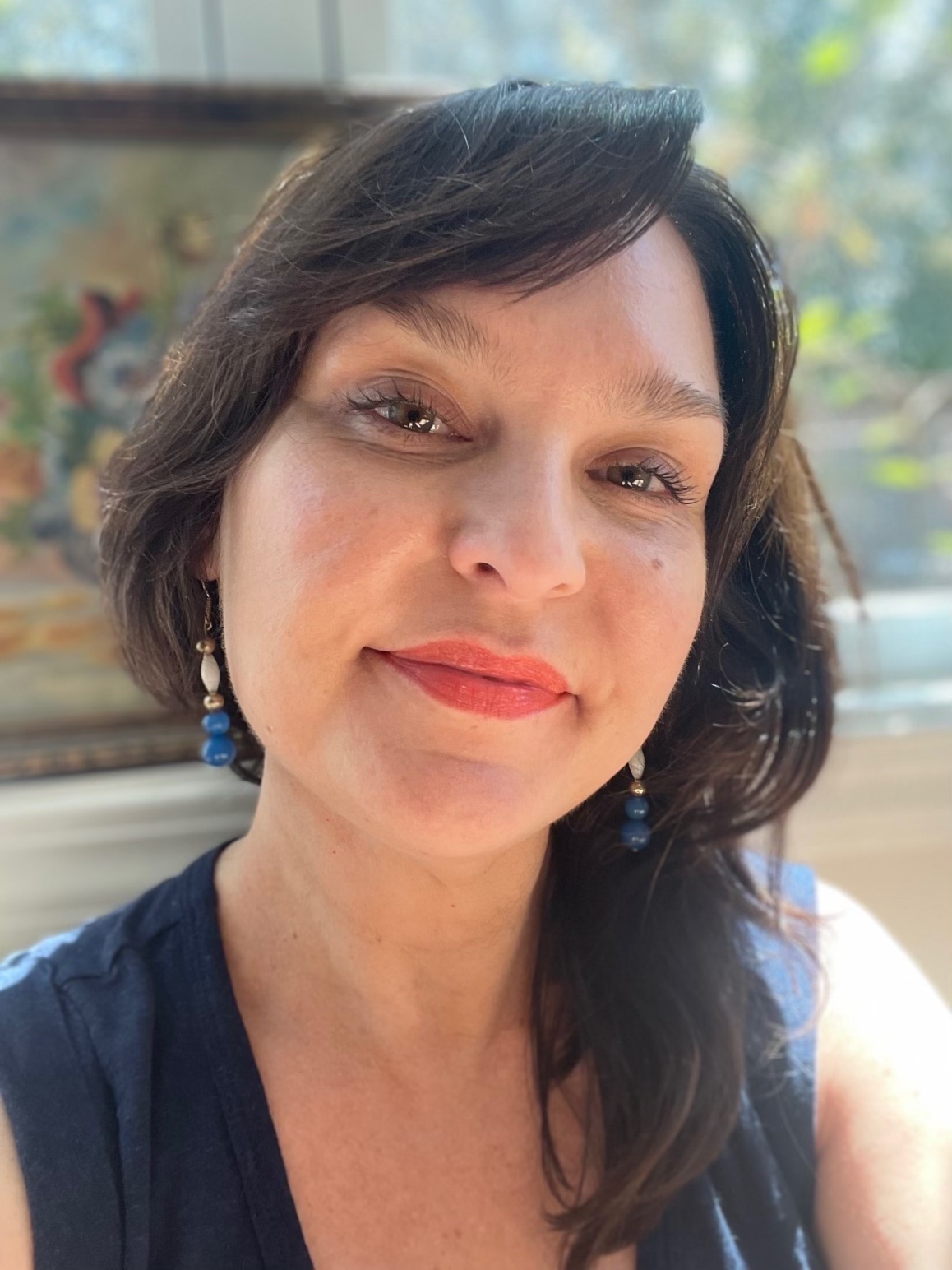


Stephanie Bleyer, a long time friend of Working Films, is an outreach and engagement campaign manager for films such as American Promise, God Loves Uganda, and Escape Fire (Sundance 2012). Stephanie has written a two-part blog post on how to effectively and efficiently raise funds for socially engaged projects. By covering topics from finding your prospects to writing your proposal, she has put together a ton of helpful information for fundraising. Check out the following excerpts below (with links to full story) and be sure to look out for part 3 next month!
How to Raise Funds For Your Socially Engaged Project, Part I: Finding Foundations & Philanthropists
Finding Prospects
…While I’m creating the master proposal, I assemble a list of 100 fundraising prospects, which I will ultimately pare down. I cast a very wide net to include every philanthropist and foundation investing in the issue area and the art discipline, as well as foundations that are focused on specific geographies, genders or races. The issue funders (e.g., health, education, environment, women’s development, etc.) may not fund art, but they understand the importance of advocacy and communications and are often eager to support creative efforts that can serve as a bullhorn for their cause.
There are a number of ways to find prospective funders. Take a look at the annual reports, 990s and sponsorship pages for your partner groups. If your work is closely aligned or if your project will positively impact that partner, their funders may be interested in your project. Then take a look at who sponsors relevant conferences, events and workshops, and who has funded your competition. Spend some time on the funders’ websites and look up their profiles in the Foundation Center‘s online database (you’ll need to join to have access)….(READ MORE)
How to Raise Funds for Your Socially Engaged Project, Part 2: Writing the Proposal
Writing The Proposal
Here are just a few generalities to keep in mind when you start writing:
- Don’t say it’s urgent. It’s probably not. Unless you’re a few dollars away from curing cancer, no need to use the “now or never” card.
- For the most part, don’t write in first-person singular. Exceptions include individual fellowship applications.
- Don’t say that all you want to do is raise awareness. If that’s your goal, don’t ask for engagement funding.
- Save the art-speak for your next book. If your proposal is so muddled with art-speak that the funder can’t understand what you actually propose to do, you’re not going to get funded.
- Personalize the proposal. Don’t submit a template. Show them you’ve done your homework and that you know exactly what they fund and why you are a perfect fit for them…
(READ MORE)