This summer, with record breaking temperatures worldwide, heat domes trapping hot air across the US, and wildfires choking communities, it’s a brutal time to be outside. For many of us, running back to the refuge of air conditioning is all you have to do when the heat becomes too much. But for the workers who grow the food we eat and the houseplants we obsess over, there is no escape.
Compounding this injustice, farmworkers were explicitly excluded from labor protections established in the 1930s, meaning federal law does not guarantee them the right to unionize and collectively bargain for safer conditions. While politicians have spent decades debating whether workers deserve basic protections from extreme heat, workers have been left with little choice but to fight for those protections themselves. Without Shade, Without Rest tells the story of exactly what that organizing looks like.
The film, funded through Working Films’ Docs in Action program, shows the fight to win heat protection for outdoor workers in Florida in the wake of the hottest year on record, following two frontline organizations, the Coalition of Immokalee Workers and WeCount!, as they work to secure lasting protections for Florida’s outdoor laborers.
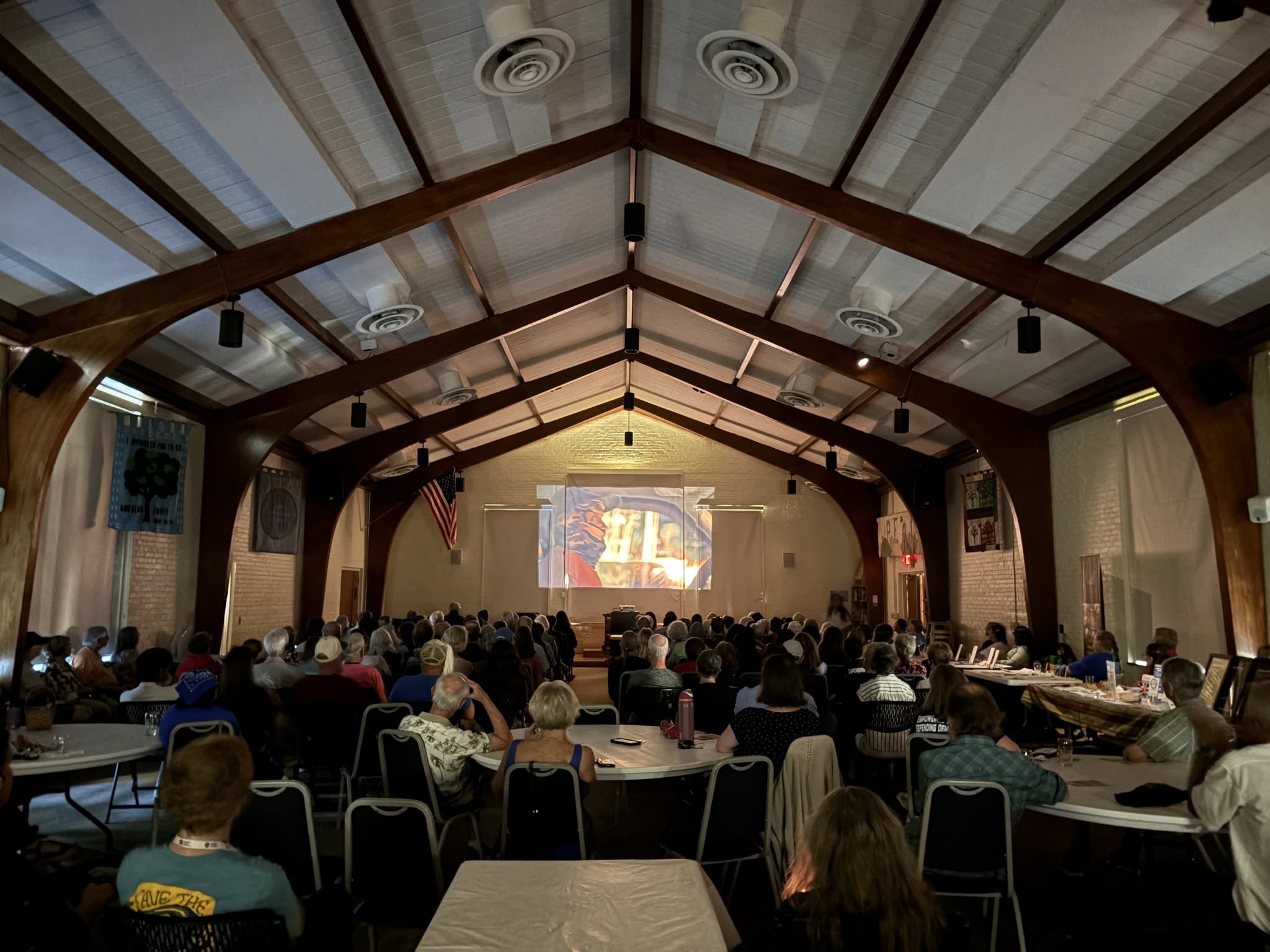
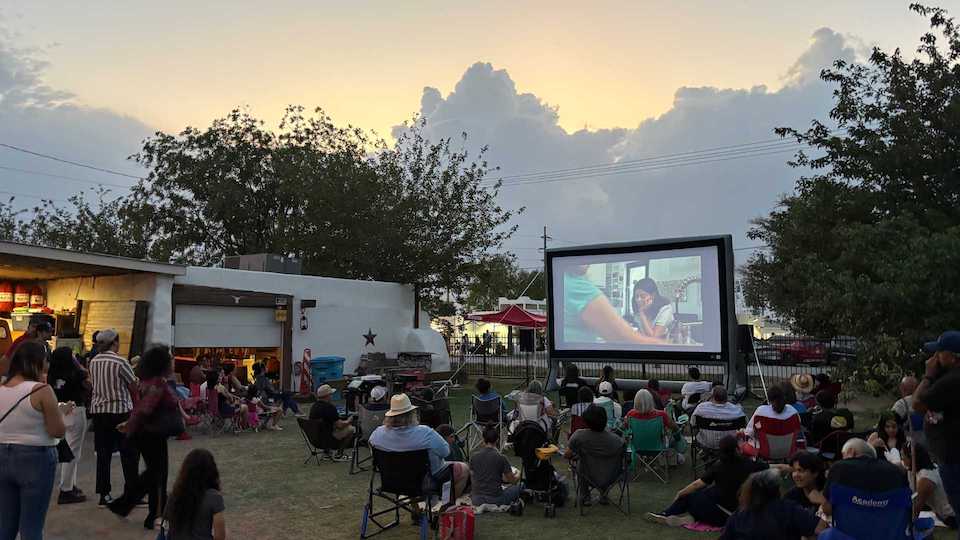
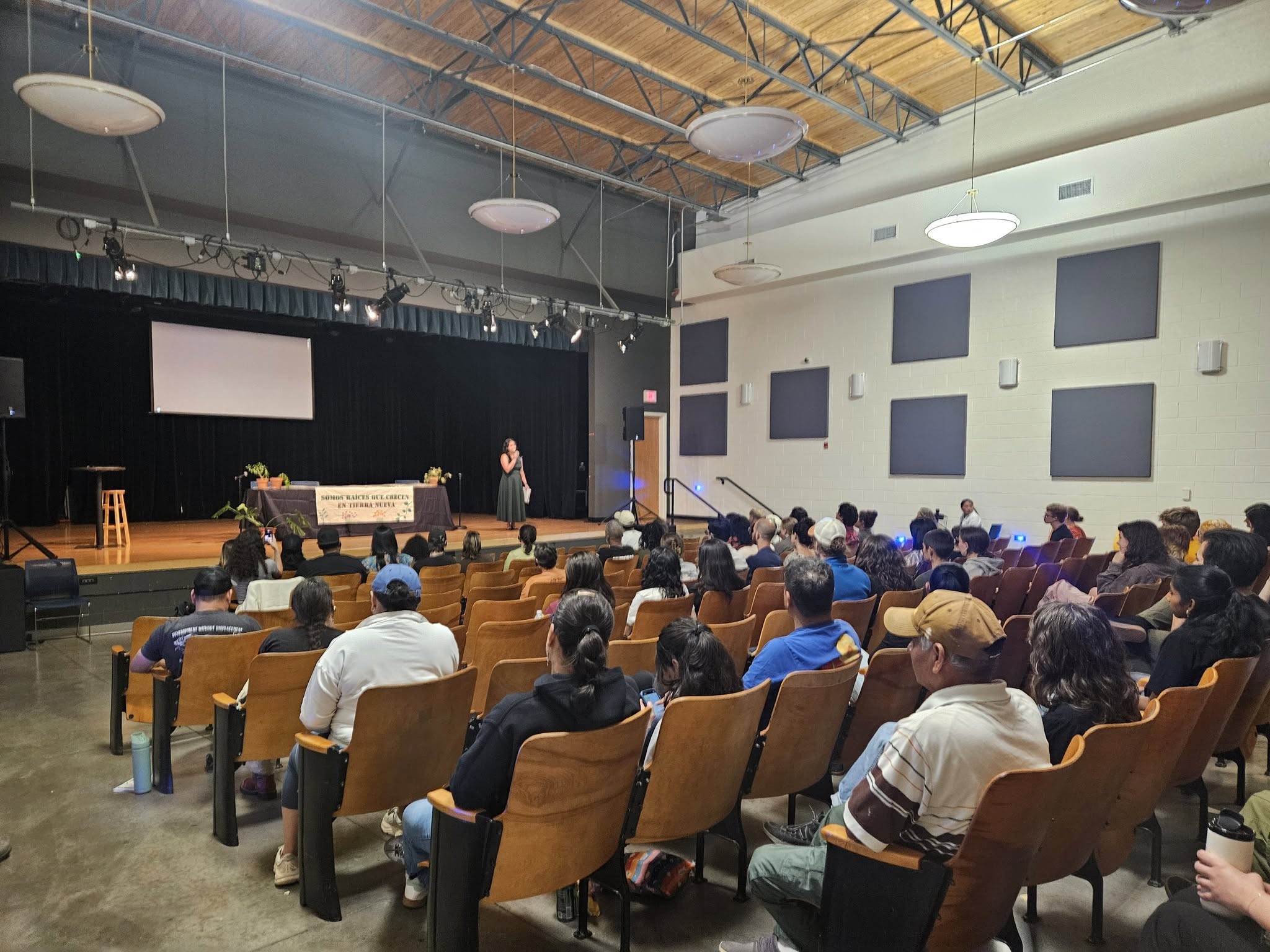
This year, organizers across the country brought the film to their own communities, not simply to host a fun movie night, but to strengthen campaigns already underway. At these screenings audience members stayed for conversations that stretched long past the scheduled end time, connected with local worker leaders, signed petitions, donated to campaigns, joined marches, and began asking the same question: “What can we do here?”
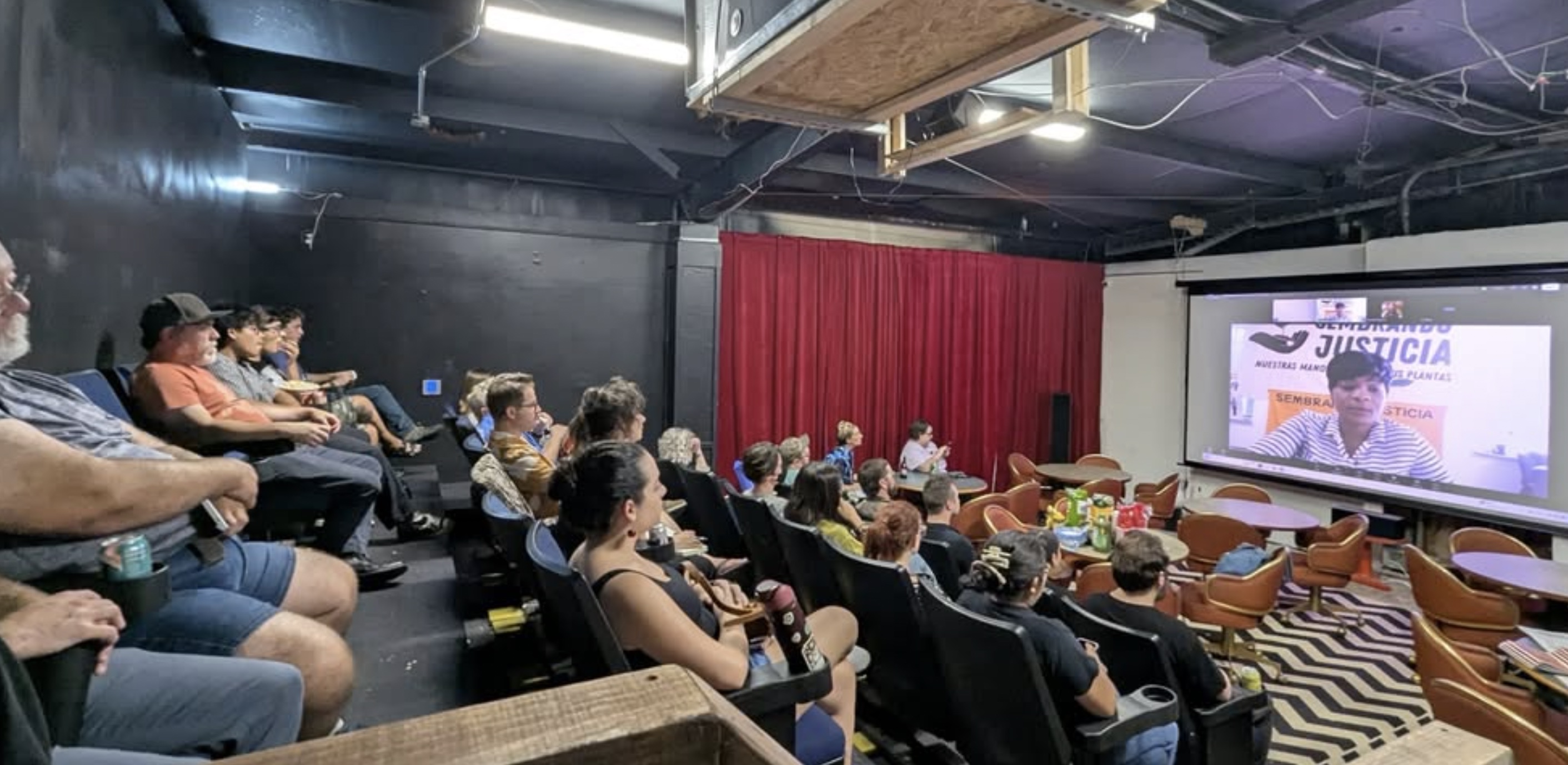
According to Marcos Martins with the Coalition of Immokalee Workers, that connection between the film and action was immediate. “For people to see the film, see the firsthand experience of workers, footage of the conditions workers face, the farmworkers’ struggles, having their hearts touched by film, I do think it naturally lends itself into: ‘What can I do to help?’ An event like this is super helpful for getting people involved. People are much more willing to get involved after seeing the film.”
The examples of how people took action locally are endless. At a screening in Orlando, audience members signed up to question political candidates about heat protections, discussed boycotts, and began planning meetings with local government officials. In Georgia, Sur Legal Collaborative introduced a new petition demanding safer working conditions for poultry workers and collected 40 signatures over the weekend. They also raised $560 for worker solidarity kits, more than doubling the number of kits they could distribute. In North Carolina, El Futuro Es Nuestro used the screening to recruit supporters for its No More Deaths campaign, sending roughly 50 postcards urging state officials to strengthen heat protections for farmworkers.
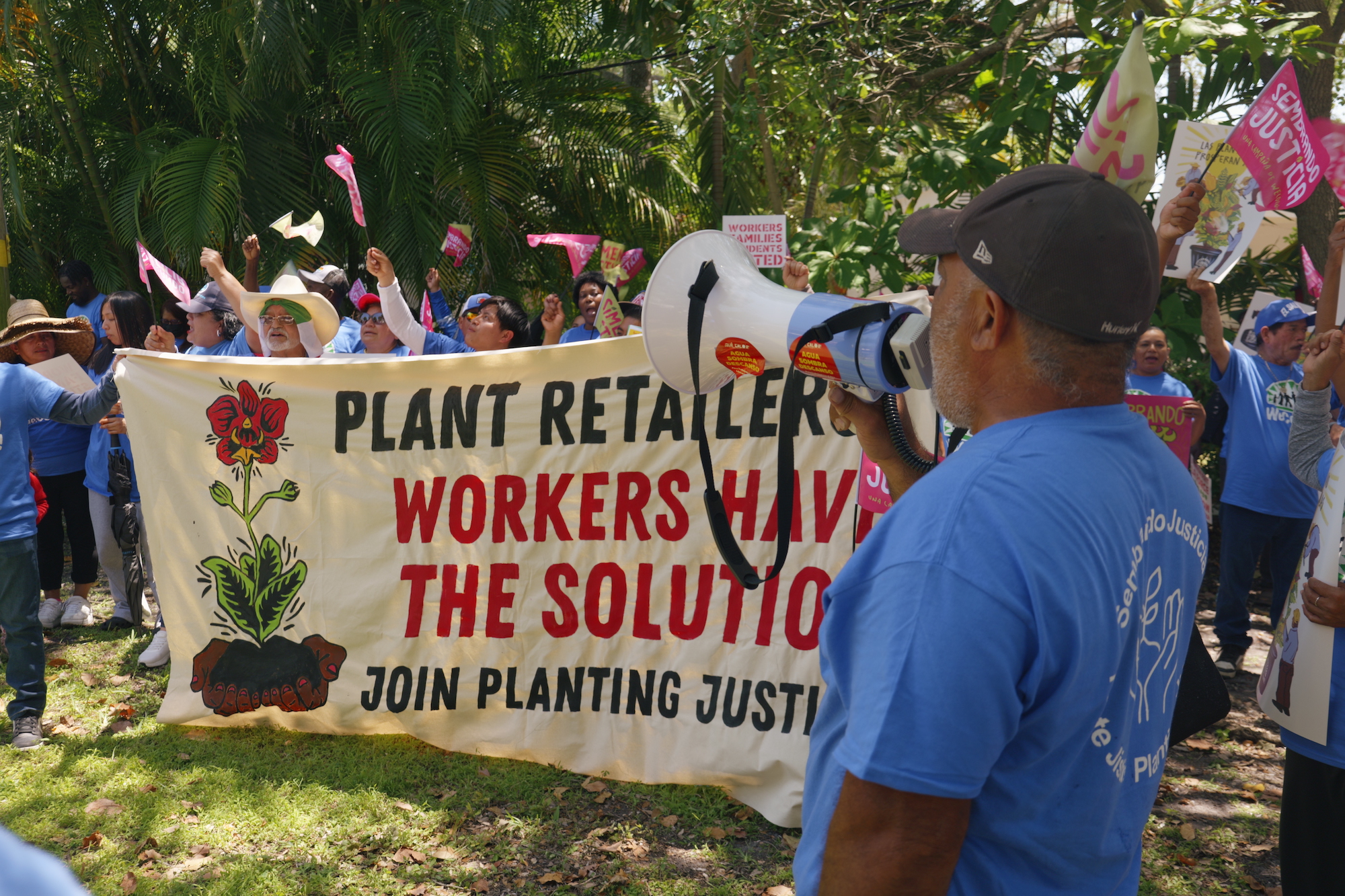
In Miami, the screening didn’t simply wrap up with a Q&A, it flowed directly into action. As Madi Paez of WeCount!, explained: “We held a screening and then immediately invited the audience to a march to different houseplant retailers. We had buses that helped transport people from the screening to the action. Between 60–70% of people at the screening came to the action. People on the bus were talking about the screening and asking us questions. It was great to have people who were like, ‘What do I do now?’ and they could immediately participate in this action.”
The screenings also helped communities recognize their own struggles in stories that began hundreds of miles away. Organizers used the film as a blueprint for strategies they could adapt to their own organizing.
In South Carolina, organizers said discussion quickly shifted toward “what are the organizing opportunities here.” In Arkansas, organizers used the film to begin conversations about adapting the Coalition of Immokalee Workers’ organizing model for local poultry workers. As Magaly Licolli with Arkansas based Venceremos shared, “One of the most powerful parts of the film is seeing that workers have already built real solutions. We talk about models like CIW and WeCount! during our trainings and orientations, but seeing that work come to life on screen makes it tangible. It shows that change isn’t hypothetical, it’s possible. If workers in Florida can organize to improve their lives and workplaces, poultry workers here in Arkansas can, too.”
Echoing this sentiment, Jessica Cruz with COSH (National Council for Occupational Safety and Health) stated, “We need new ways to convey how the campaigns work. The film is more accessible. Seeing it visually works differently for people. The screening led to a conversation starting about creating their own statewide ordinance, and the work getting going. Now that we know how others started this and what they did, this is how we can replicate that here.”
In addition to these concrete actions, organizers also described the screenings as spaces where hope was restored during a time when many people are feeling exhausted by increasing attacks on immigrant communities and worsening labor conditions.
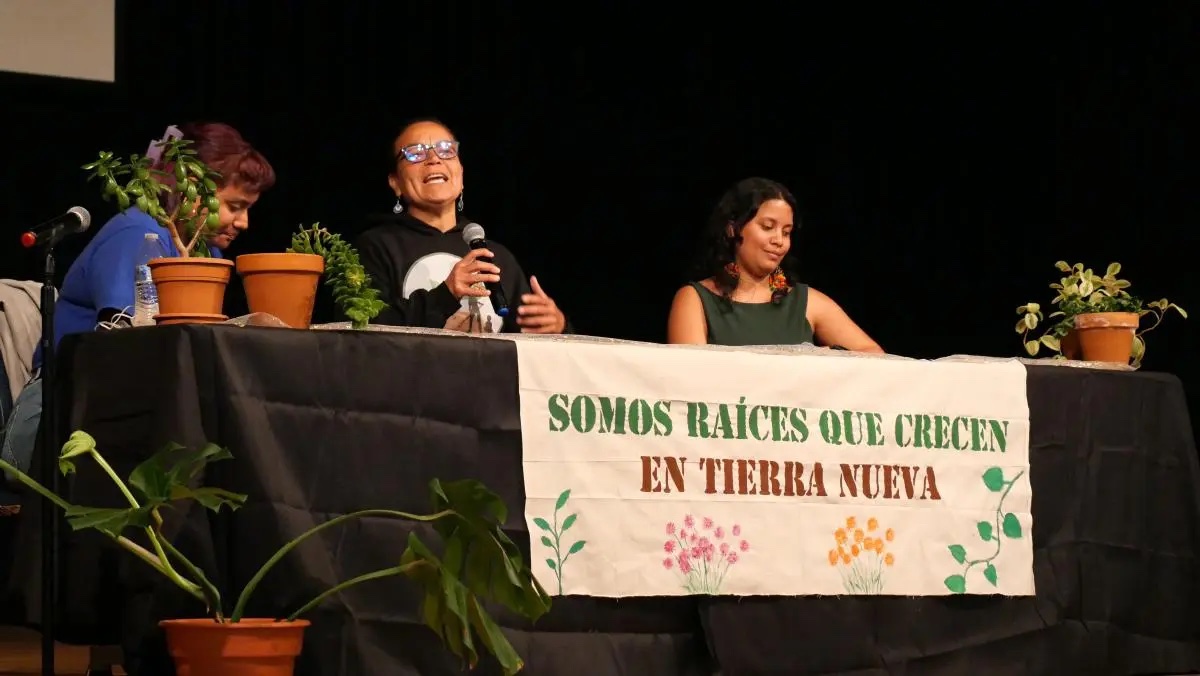
Seimy Mendoza with Just Economics reflected: “It’s hard to feel motivated for justice work with everything happening nationwide, but the film screening helped prove we still know how to hold each other and care for each other.”
That feeling was especially meaningful for farmworkers themselves. Leticia Zavala of El Futuro Es Nuestro described the impact on workers who attended the North Carolina screening: “For our members, who are farmworkers, we heard a lot of feedback about how the film gave them a lot of hope. Their wages have been affected, with the wage decrease for H2A workers, and it’s been demoralizing, plus with the increased ICE activity in NC – there’s been a lot of hopelessness in the fields. But when workers left that screening, they had a different face, they really felt like something was possible.”
If you’re reading this and needing your own spirit lifted, or you’re asking the same question audiences across dozens of screenings asked: What can I do? Reach out to bring Without Shade Without Rest to your own community. Host a screening to learn from workers who kept organizing through setback after setback, and connect with the people in your own community who are fighting for change.