From defending local communities from experimental nuclear projects, to fighting the border wall, to resisting pipelines that feed gigantic data centers, organizers can find valuable lessons in the fights that came before them, especially through film. Through our Screenings That Work program, organizers are using films to connect their local fights with movements that have faced similar challenges, sometimes bringing the organizers featured in those films into the room to share what they’ve learned. These screenings create opportunities to share hard won lessons, connect local struggles to broader movements, and remind people that they aren’t fighting alone.
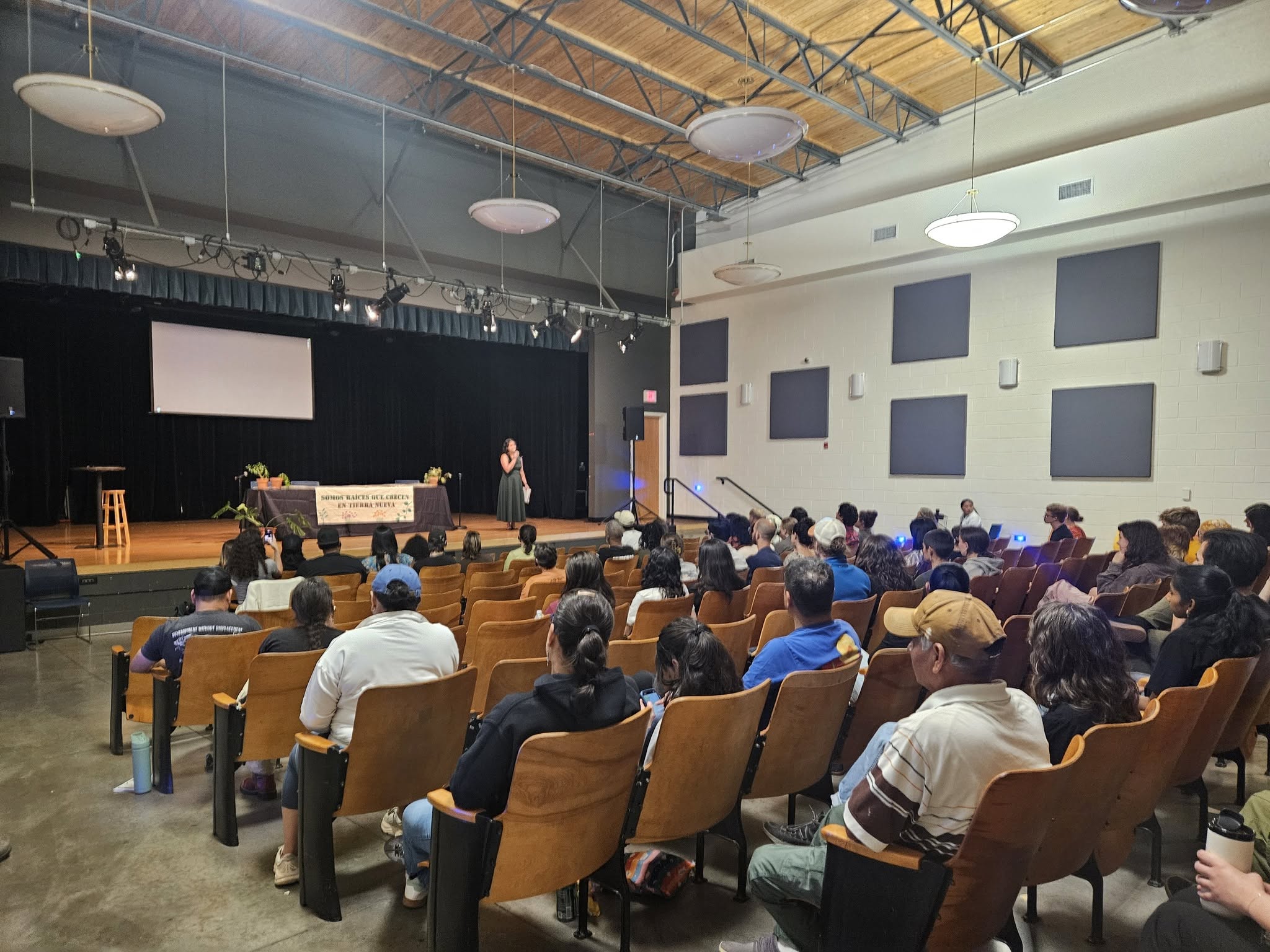
In El Paso, The Hold the Line campaign hosted a screening of Vs Goliath, a film about the fight against the Mountain Valley Pipeline (MVP) in Appalachia, for youth and frontline communities fighting pipelines feeding Project Jupiter, a proposed data center in the Borderlands. While the communities and pipelines are hundreds of miles apart, the organizers saw an opportunity to learn from people who had already spent years fighting pipeline infrastructure. The event also brought Maury Johnson, the West Virginia farmer featured in Vs Goliath who helped delay the MVP for years, directly into the conversation. He shared lessons from his experience and inspired attendees to think about how they could apply them to their own fight.
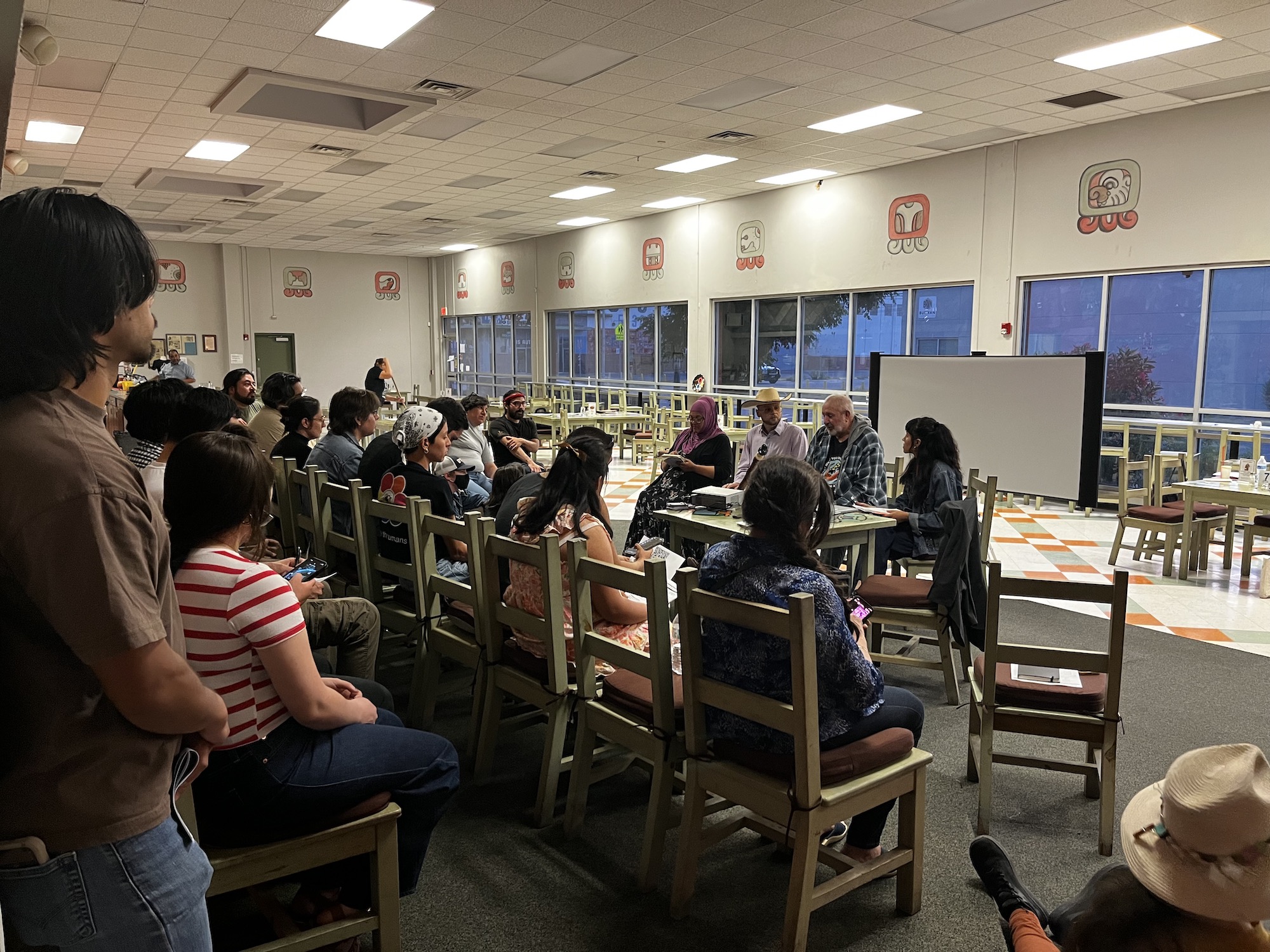 As Jon Copeland with The Hold the Line campaign said, “Maury was able to share his pipeline battle of 10+ years with students. It’s nice knowing that we don’t have to reinvent the wheel for our fight against the pipelines here feeding Project Jupiter. A lot of folks were inspired by Maury’s role. He documented extensively as part of his activism and ultimately used that documentation in court against MVP. A majority of people from the screening moving forward want to do that same documentation.”
In Parsons, Kansas and Kansas City, organizers used film screenings to connect their activism around nuclear issues with communities that have faced similar fights in the past. In Parsons, the proposed underground nuclear reactor pilot from Deep Fission, has raised questions about safety, waste, oversight, and public consent. In Kansas City, activists are challenging the city’s role in the nuclear weapons complex and the expansion of plutonium pit production.
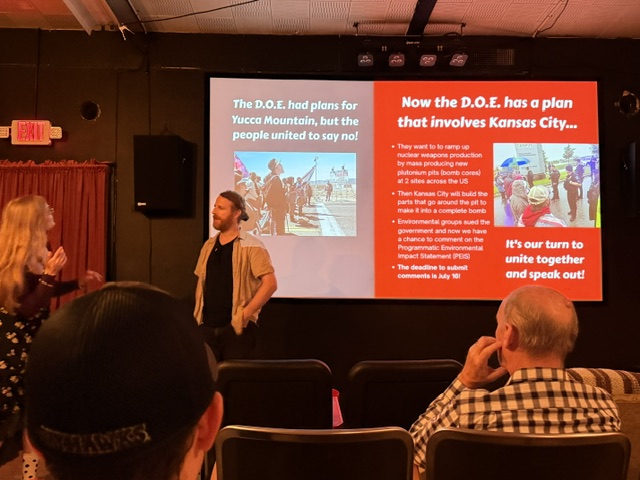 Organizers with Prairie Dog Alliance and PeaceWorks Kansas City screened To Use a Mountain to connect these current fights with the experiences of six rural communities that were studied in the 1980s as potential burial sites for the nation’s high-level nuclear waste. The film shows how those communities organized to resist decisions that would have lasting consequences for their land and their families. As PeaceWorks Kansas City’s Ann Suellentrop put it, “This film is a masterpiece in showing how ordinary folks rose up in 6 rural communities to defend their families and land. The film is instructive in showing how the Department of Energy [DOE] operates in an arrogant, top down approach that backfires. The film clearly shows the power ordinary people have and that DOE can be successfully fought. The Q&A after both film showings was long and intense. The film inspired courage in people to question the claims of Deep Fission and to start thinking about strategies to stop the risky experimental project.”
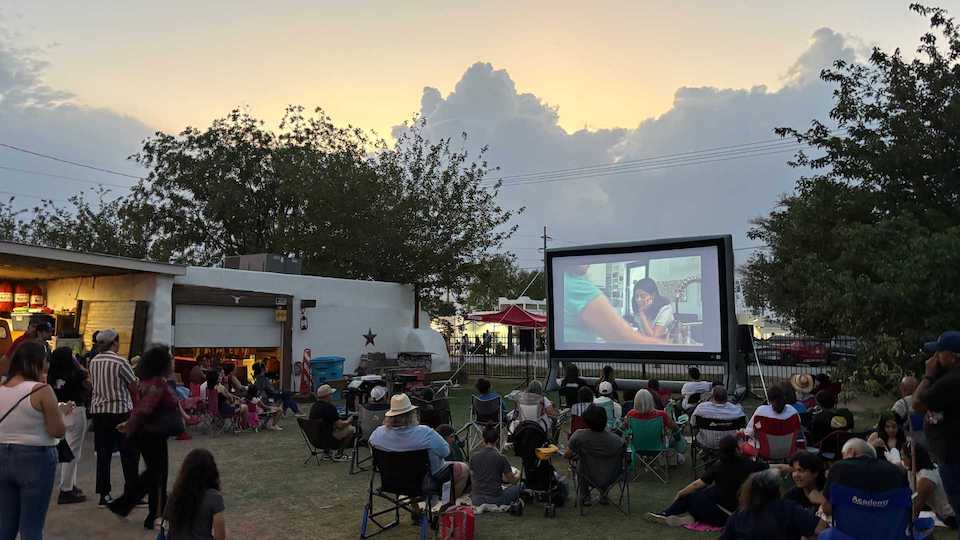
In Lochiel, Arizona, a showing of A City in the Forest was projected from Mexico onto a screen in the US, directly in the path of the proposed border wall. The film tells the story of the movement to stop Cop City and protect the Atlanta forest from destruction, giving organizers in Arizona a chance to connect that fight with their own efforts to block border wall construction and protect the land from being cleared. The event also featured an organizer from the Stop Cop City movement, giving people at the camp a chance to hear directly from someone who had been part of that fight.
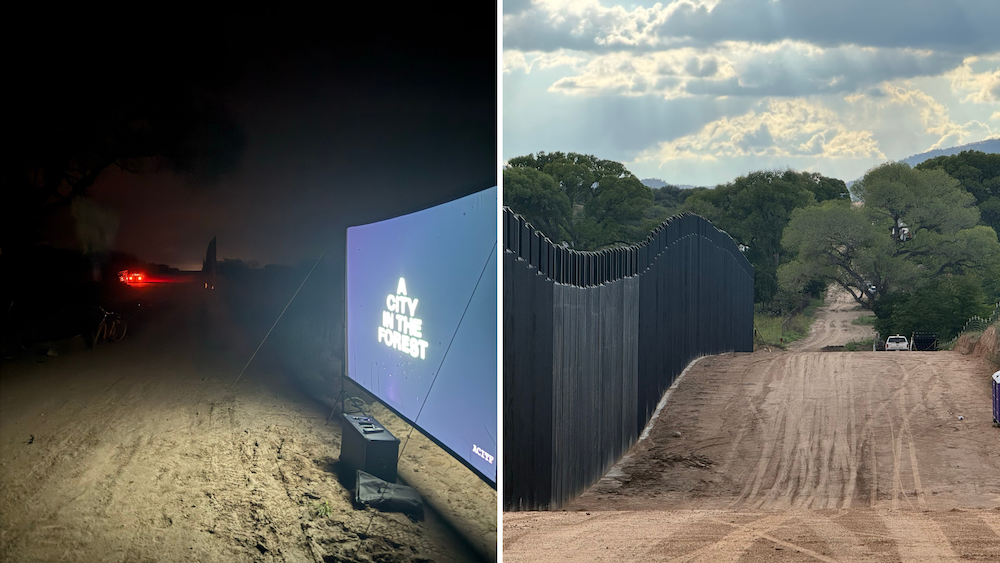 That connection was especially meaningful for people who had been organizing at the resistance camp, which began with a tree-sit in a centuries-old cottonwood tree directly blocking the path of the border wall and has since helped block construction across 20 miles. An organizer with Free Wave Tucson shared, “It’s really important to those of us who are in these liberation struggles longterm, that we keep a thread going, that we keep many threads going when we can. There are several people here who are directly inspired by Stop Cop City, but there are so many young people getting active with this who weren’t politically active then. To be able to bring those stories and that movie here is so potent and it ignites people, it reaffirms people’s motivations. I got a text after the event from someone who I had asked to help with something, they said: ‘I was feeling pretty burned out and didn’t want to do this and I saw the movie and it reminded me why I’m in this F***ing fight.’”
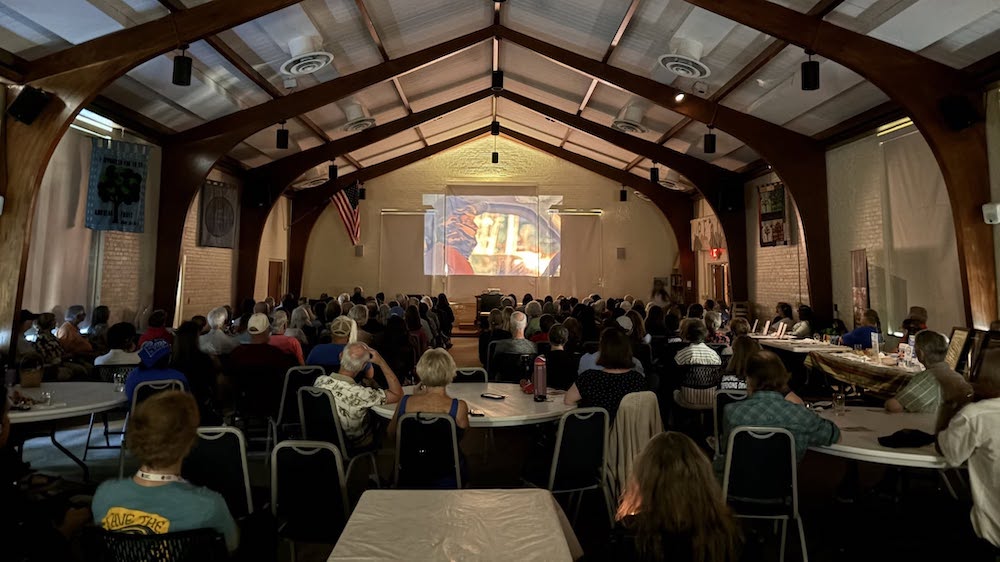
Sometimes the connection is simply recognizing your own fight in someone else’s. In Elkin, NC, organizers with the Yadkin Riverkeeper hosted a screening of The Keeper for local audiences to learn from Riverkeeper John Lipscomb’s 25 years protecting the Hudson. As Edgar Miller, Executive Director for Yadkin Riverkeeper, shared, “There were some themes in the movie around the David vs Goliath fights that we all share. In the movie, it was the Hudson Riverkeeper vs GE, for us it’s the Yadkin Riverkeeper vs Duke energy. Every river has these same issues of concern about drinking water, concern about past industrial contamination, trying to bring back recreational use and connecting people to waterways, but people said they were very inspired and the screening gave people a sense of hope.”
These screenings show what can happen when movements learn from one another. A fight happening hundreds of miles away, or a story from years before, can offer new tactics or strategies, renewed inspiration, or even just the reminder that others have faced similar challenges and kept going. Film can help carry those experiences from one fight to the next, giving organizers a way to learn from what has already been tried and bring those lessons home.
Want to host a screening that bridges movements? Apply to Screenings That Work today!