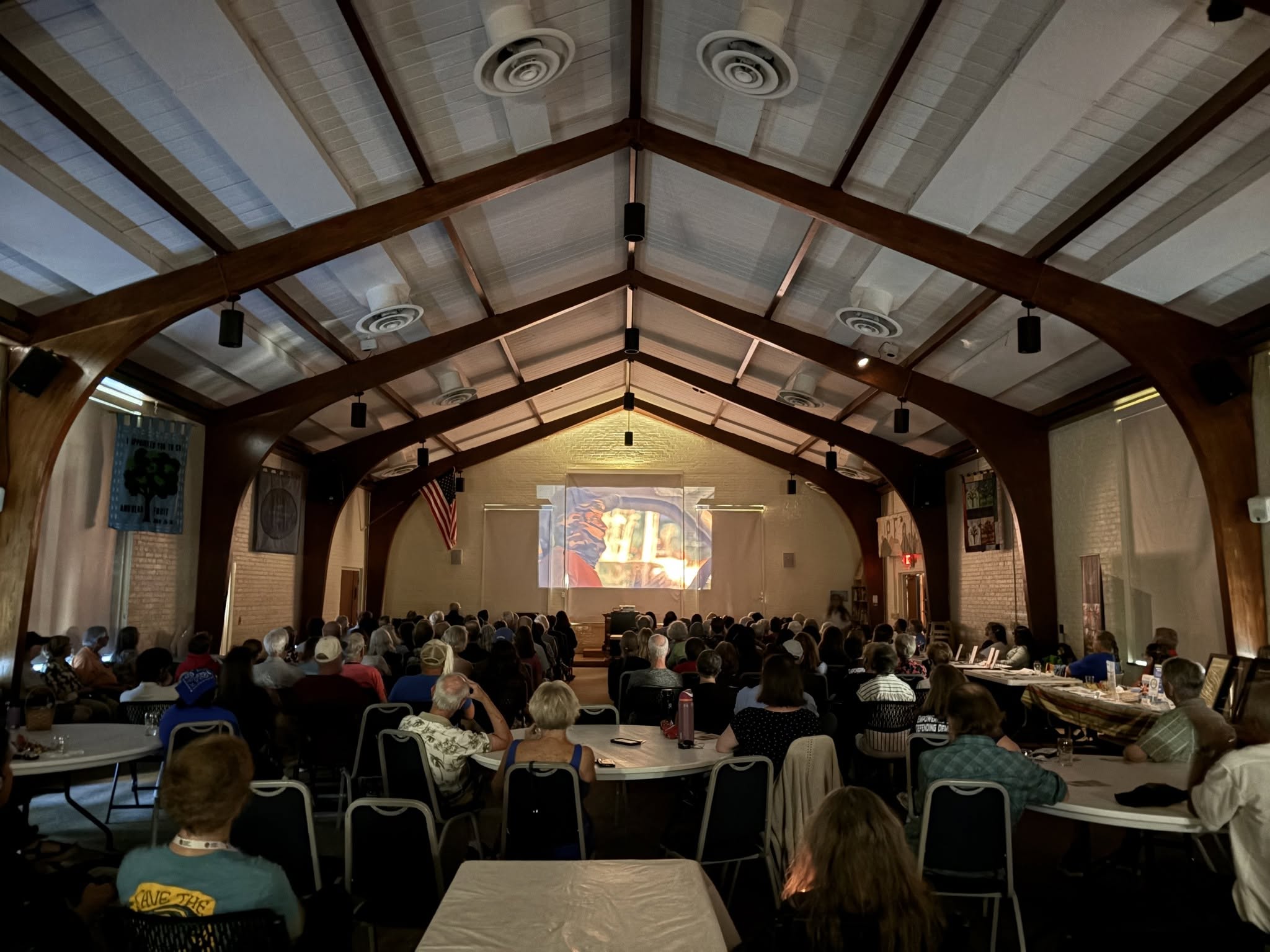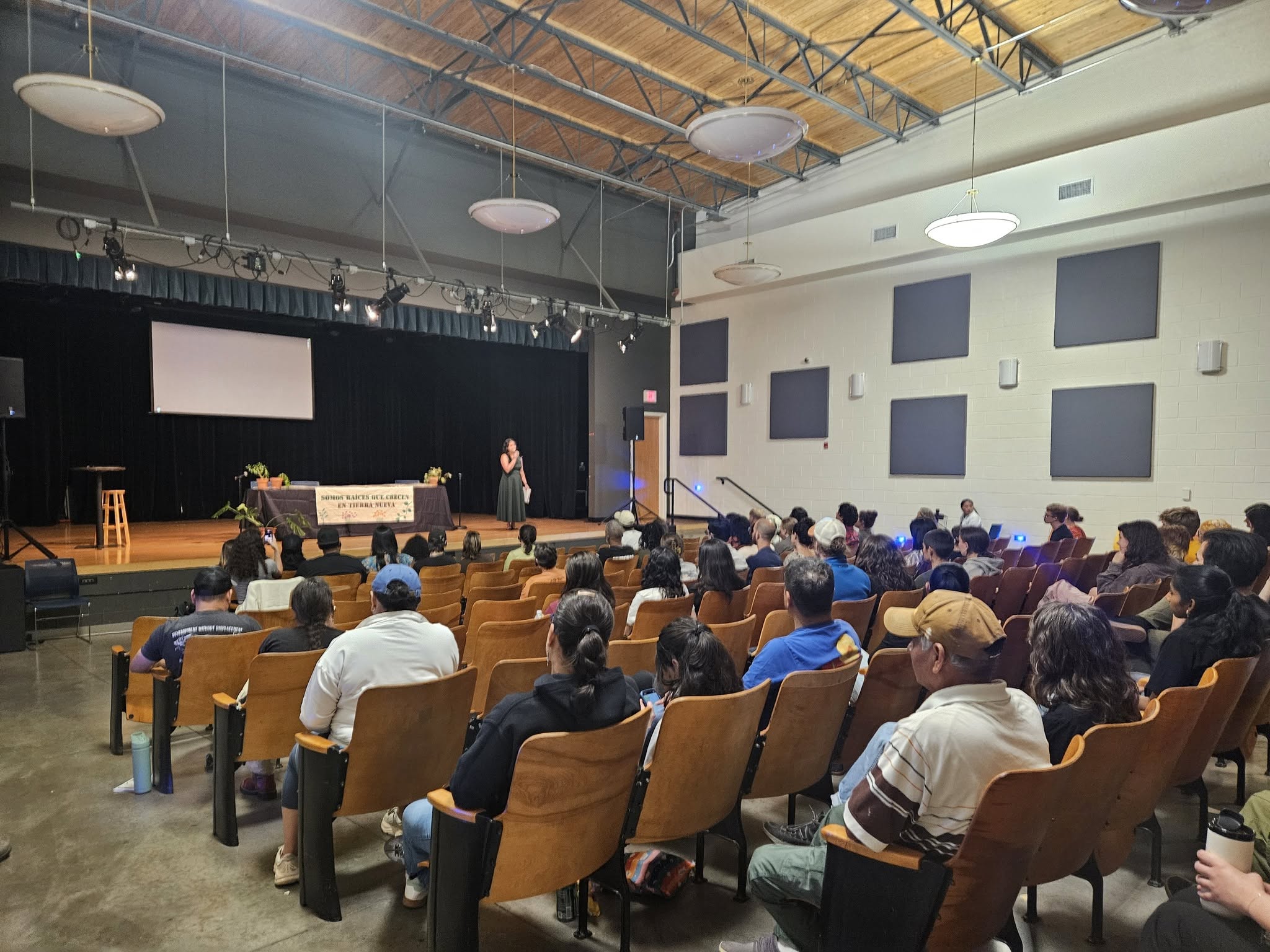


Often times we hear on the news about the hundreds of thousands of people crossing into the United States every year, but seldom do we stop to think that among them are young children… 9, 12, 14 years old risking their lives in the desert. On September 27 I was honored to spend the bulk of the day strategizing with incredible activists and organizers about how Children in No Man’s Land can enhance their work to protect the lives and rights of children and other immigrants crossing our southern border.
An experience the day before the Summit reawakened in me the need to get this story out to folks across the U.S. My colleague and I stopped by the offices of the Coalicion de Derechos Humanos,a leading advocacy group in Tucson AZ whose work aims to save lives, educate immigrants about their rights and change the policy that is putting them in danger. A wonderful volunteer, Isabel, helped us with some logistics for the meeting and showed us around the offices. The cramped quarters were filled with posters, fliers, banners, and research documents, evidence of all of the amazing work that these folks are doing. As we were on our way back out Isabel took us to a small closet where she showed us these crosses: one for each person that Derechos Humanos knows has died crossing the desert.

The hundreds of small white crosses, some bearing the names of the dead, made me draw in a deep breath. While intellectually I know that people die while trying to make it to the United States, it was quite another thing to the see the names of individuals – mothers, fathers, sisters, and brothers – written upon these crosses.
While folks from other places might not be able to see the vigils along the border where these crosses are displayed they do have access to powerful stories like Children in No Man’s Land, a film that humanizes the issue of immigration and opens the possibility for dialogue and action. The organizations represented at the Summit are committed to bringing the film to people who need to know the truth about the border and immigration, and I look forward to seeing them put the film to work.