
We are living through a time defined by intensifying threats to basic rights, safety, and democracy itself. Yet even as political violence rises and divisions deepen, people everywhere are organizing, supporting each other, and imagining a different future. Amplifying stories…
We are living through a time defined by intensifying threats to basic rights, safety, and democracy itself. Yet even as political violence rises and divisions deepen, people everywhere are organizing, supporting each other, and imagining a different future.
Amplifying stories of resistance matters now more than ever, as these threats have been steadily growing and will continue to worsen without deliberate and collective action. We need to demonstrate how solidarity and collective care and action can counter the growing dangers we face. More than just a call to defense, these films will inspire audiences to envision a future rooted in hope and equip them with the tools to help build a world where we all can thrive.
With this in mind, we are excited to announce the recipients of the 2025 Docs in Action Film Fund. $60,000 was awarded to two film teams to complete short films that embody these narratives. They include: Any Way You Can (working title) by Jennifer Maytorena Taylor (Director, Producer & DP), Sally Jo Fifer (Executive Producer & Producer) and Ruth Anne Beutler (Field Producer & Additional DP) and Theory of Change by Matt Durning (Director & DP), Carey Kirk (Producer) and Molly Brock (Editor & Cinematographer).
Working Films launched the Docs In Action Film Fund in 2018 to support the production of short documentaries that address critical issues of social and environmental justice. Because we believe that grassroots leaders and those directly impacted by injustice should hold the power to determine what stories are told and what films are funded to serve their movements, we cede our role on the grant panel. The funded films were selected by our partners at Democracy 2076, Political Research Associates, and Southern Vision Alliance. Together, we will use these films to support grassroots organizing, block authoritarianism, and reimagine democracy.
“In the face of rising supremacy and authoritarianism, the idea that we can win safety for ourselves by treating others as expendable is both morally bankrupt and — for most of us — also delusional. In times like these, we need stories that remind us that we increase our safety as well as our potential for resistance and advancement by choosing each other." - Cloee Cooper, Research Director at Political Research Associates
Meet the 2025 Docs In Action Film Fund recipients:
Any Way You Can (working title) by Jennifer Maytorena Taylor, Sally Jo Fifer and Ruth Anne Beutler
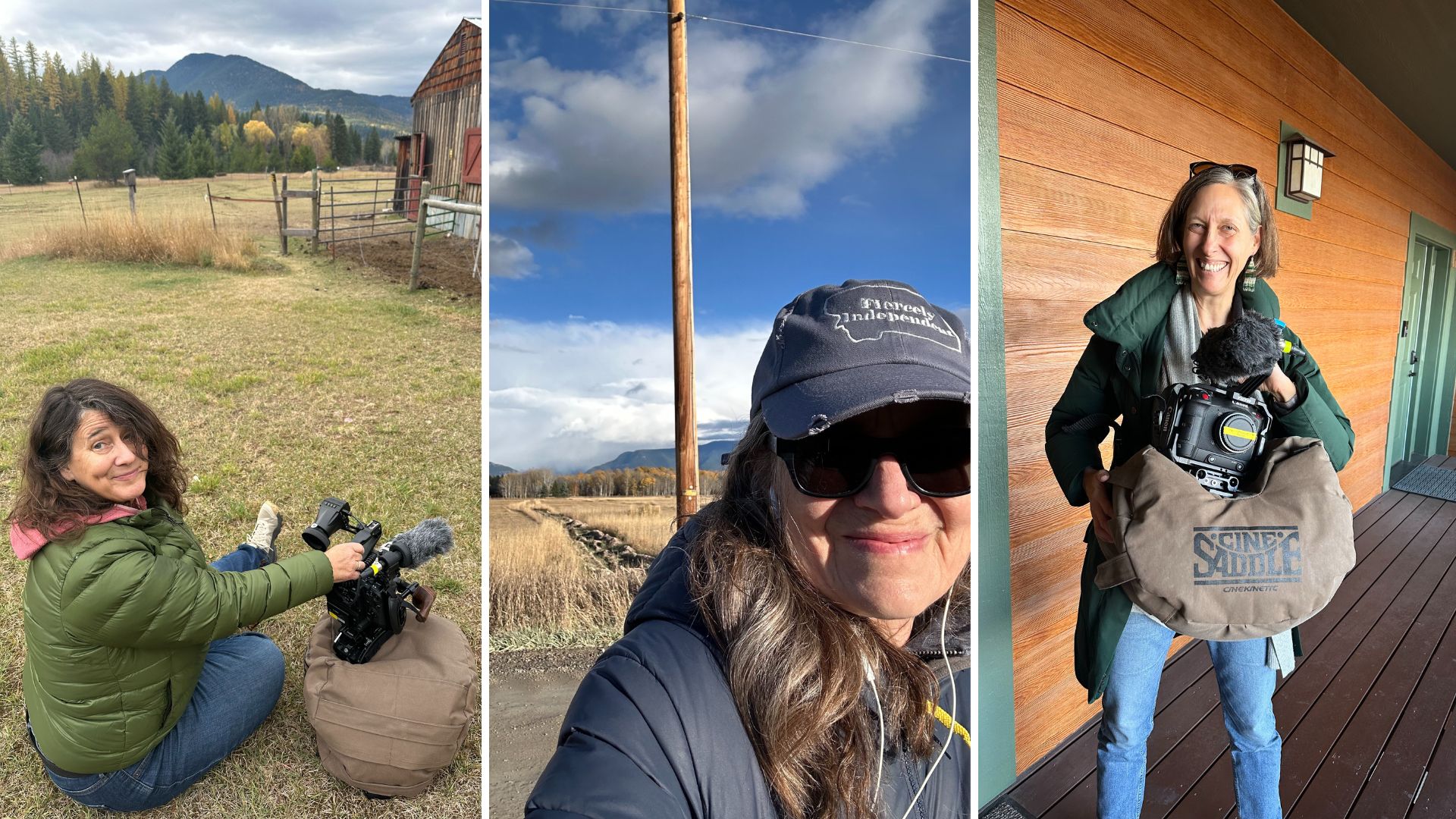 Intercutting the stories of diverse Montanans from a range of lived experiences and perspectives, Any Way You Can explores the intensifying battles over bodily autonomy and state-imposed limits on reproductive freedom and LGBTQI+ health care. With a verite approach, the film follows inter-generational coalitions and organizers fighting to protect individual freedoms and hard-won constitutional rights.
Jennifer Maytorena Taylor’s award-winning feature and short documentary films frequently feature bilingual Spanish/English stories and often explore the nuances and complexities of life in rural and small communities. She is a Professor of Film and Digital Media at the University of California, Santa Cruz and the founding faculty director of the UCSC Social Documentation Lab.
Sally Jo Fifer led Independent Television Service as President and CEO for 22 years. While at ITVS, Sally launched the award-winning PBS Independent Lens series and oversaw the creation of more than 1,000 films and docuseries. Her credit appears on 16 Oscar nominees, 37 Primetime Emmy winners, and 35 Peabody Award recipients.
Ruth Anne Beutler’s film practice is informed by her ongoing work as a registered nurse and extensive experience in emergency and community health settings around the globe. She has worked closely with Bay Area Indigenous communities and other scholars to document land restoration efforts and foreground Indigenous perspectives on the California missions.
Theory of Change by Matt Durning, Carey Kirk, and Molly Brock
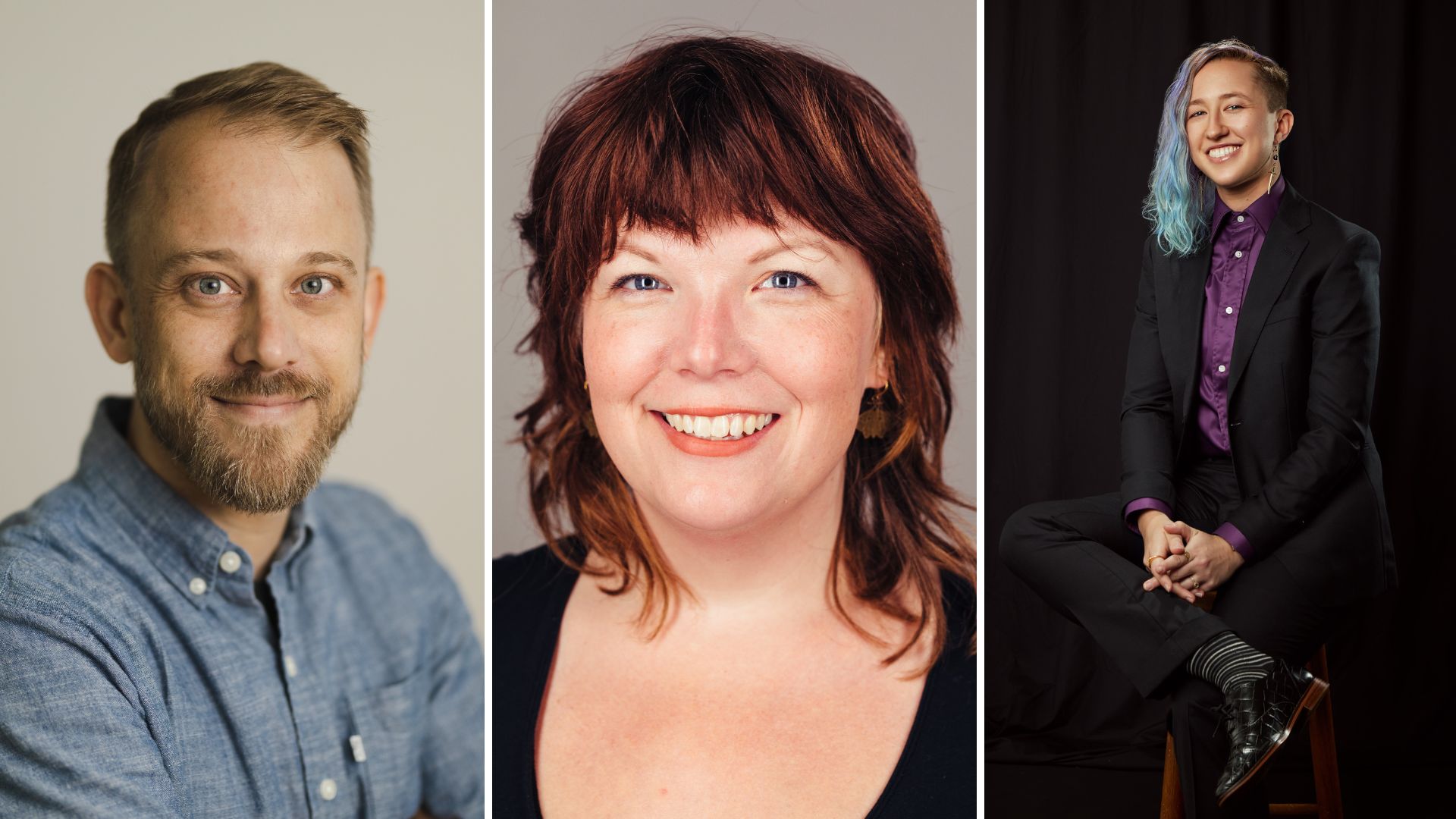 Three working-class women from rural North Carolina become unlikely changemakers in the divided battleground state they call home. Through an intimate, character-centered lens, the film explores the organization's ambitious Theory of Change: a long-term strategy to shift power back into the hands of everyday people by bridging deep racial, economic, and cultural divides. It’s a story of ordinary folks demonstrating extraordinary agency to catalyze action where they live.
Matt Durning has spent the past 20 years telling stories that amplify human connection. He came to documentary filmmaking through progressive political campaigns (MoveOn.org, ACLU, etc), and his passion for social justice continues to drive his work as a storyteller. Matt is the co-director of the award-winning feature documentary Stay Prayed Up, which premiered at the 2021 Telluride Film Festival. He has created provocative music videos for social justice anthems by artist-activists Che Apalache and Joe Troop. He was the producer of Rissi Palmer: Still Here. His short environmental justice film, Perry County, won numerous festival accolades. Matt has produced lauded non-fiction work for outlets including PBS, HBO, ESPN, Wired, Al Jazeera America, Ovation, Smithsonian Channel, and YouTube. He is the founder and executive producer of Interlocking Pictures, a full-service documentary production company based in Chapel Hill, North Carolina.
Carey Kirk is the child of a rural, working-class family with military roots and conservative, right-wing influences, raised between Tennessee and North Carolina. Growing up in communities often marked by division, despite shared struggles, she has long questioned why those divisions persist. That personal history fuels her commitment to amplifying voices fighting for a more just and inclusive future in the South. She has worked on Family Tree and Charlotte Seven, both of which explore movements for social justice in the region. In addition to production, she has led social media and impact campaigns for films such as Stay Prayed Up, Rissi Palmer: Still Here, and Moonchild: The Story of Brother Yusuf Salim.
Molly Brock is a queer Southern woman with a deep understanding of the region’s complexities, Molly brings a unique perspective to the visual and editorial process. With her background in vérité-style filmmaking, she focuses on capturing authenticity, drawing out the raw emotion that drives the story. Molly’s recent work includes Charlotte Seven, a short documentary premiering at Justice Film Festival and the feature-length documentary How to Save a Milestone.
Intercutting the stories of diverse Montanans from a range of lived experiences and perspectives, Any Way You Can explores the intensifying battles over bodily autonomy and state-imposed limits on reproductive freedom and LGBTQI+ health care. With a verite approach, the film follows inter-generational coalitions and organizers fighting to protect individual freedoms and hard-won constitutional rights.
Jennifer Maytorena Taylor’s award-winning feature and short documentary films frequently feature bilingual Spanish/English stories and often explore the nuances and complexities of life in rural and small communities. She is a Professor of Film and Digital Media at the University of California, Santa Cruz and the founding faculty director of the UCSC Social Documentation Lab.
Sally Jo Fifer led Independent Television Service as President and CEO for 22 years. While at ITVS, Sally launched the award-winning PBS Independent Lens series and oversaw the creation of more than 1,000 films and docuseries. Her credit appears on 16 Oscar nominees, 37 Primetime Emmy winners, and 35 Peabody Award recipients.
Ruth Anne Beutler’s film practice is informed by her ongoing work as a registered nurse and extensive experience in emergency and community health settings around the globe. She has worked closely with Bay Area Indigenous communities and other scholars to document land restoration efforts and foreground Indigenous perspectives on the California missions.
Theory of Change by Matt Durning, Carey Kirk, and Molly Brock
Three working-class women from rural North Carolina become unlikely changemakers in the divided battleground state they call home. Through an intimate, character-centered lens, the film explores the organization's ambitious Theory of Change: a long-term strategy to shift power back into the hands of everyday people by bridging deep racial, economic, and cultural divides. It’s a story of ordinary folks demonstrating extraordinary agency to catalyze action where they live.
Matt Durning has spent the past 20 years telling stories that amplify human connection. He came to documentary filmmaking through progressive political campaigns (MoveOn.org, ACLU, etc), and his passion for social justice continues to drive his work as a storyteller. Matt is the co-director of the award-winning feature documentary Stay Prayed Up, which premiered at the 2021 Telluride Film Festival. He has created provocative music videos for social justice anthems by artist-activists Che Apalache and Joe Troop. He was the producer of Rissi Palmer: Still Here. His short environmental justice film, Perry County, won numerous festival accolades. Matt has produced lauded non-fiction work for outlets including PBS, HBO, ESPN, Wired, Al Jazeera America, Ovation, Smithsonian Channel, and YouTube. He is the founder and executive producer of Interlocking Pictures, a full-service documentary production company based in Chapel Hill, North Carolina.
Carey Kirk is the child of a rural, working-class family with military roots and conservative, right-wing influences, raised between Tennessee and North Carolina. Growing up in communities often marked by division, despite shared struggles, she has long questioned why those divisions persist. That personal history fuels her commitment to amplifying voices fighting for a more just and inclusive future in the South. She has worked on Family Tree and Charlotte Seven, both of which explore movements for social justice in the region. In addition to production, she has led social media and impact campaigns for films such as Stay Prayed Up, Rissi Palmer: Still Here, and Moonchild: The Story of Brother Yusuf Salim.
Molly Brock is a queer Southern woman with a deep understanding of the region’s complexities, Molly brings a unique perspective to the visual and editorial process. With her background in vérité-style filmmaking, she focuses on capturing authenticity, drawing out the raw emotion that drives the story. Molly’s recent work includes Charlotte Seven, a short documentary premiering at Justice Film Festival and the feature-length documentary How to Save a Milestone.
The Docs in Action Film Fund is made possible with support from the John D. and Catherine T. MacArthur Foundation


 A new film series is starting in the Lower Valley that will give the community an opportunity to get involved. The series will allow us to show you that there is hope in our community and we can make a change, giving our students a better learning environment or giving teachers better working conditions is our goal. Films will consist of inspiring stories involving organizing in communities just like ours.


 About Rural Cinema

 Now in its eight year, we invite nonfiction filmmakers to apply to Impact Kickstart. We will select and support a cohort of filmmakers with impact campaign funds in the range of $10,000 - $20,000, with an anticipated announcement in late 2025 and disbursement in early 2026. In addition to funding, awardees will have access to mentorship and impact strategy support from the Working Films team, towards their impact campaign plans.
The deadline to apply for Impact Kickstart applications is Friday, October 3, 2025 at 11:59 pm ET. Find more details and apply using

 My internship at Working Films has been one of the most fulfilling experiences I’ve ever had. In just eight weeks (that felt way too short), I have learned so much about “films for change” and have personally grown in ways I would’ve never even imagined I’d experience when I first signed up for the opportunity. I understand more about the nonprofit sector, what it means to dedicate yourself to this work, and, most importantly, what’s key to a better world. In just a few words, it is: authentic, raw storytelling.
If you have a moment, I’d love to pass on a gift that was once graciously given to me.
At the start of my internship, I received a folder of materials and a task list from Hannah Hearn, Working Films’ Fellowships Lead, to get me started on the right track. One of my first tasks was to watch a film from their
 The summit brought together Standing Above The Clouds director Jalena Keane-Lee and producer Amber Espinosa-Jones, who shared their vision for the film’s impact. They were joined by Pua Case, one of Mauna Kea Education and Awareness (MKEA) frontline leaders and a protagonist of SATC was there to represent her community’s goals and insight into impact work. Nearly 30 other participants at the summit, all there to share and learn from each other as they created a strategy on how to best use the grant from Impact Kickstart to create social and environmental impact.
A major takeaway from the virtual gathering was that the future generation will need to work on making the work more sustainable, how it’s important to keep personal wellness in mind, because once your body starts to break down it’s harder to commit yourself to the things that really matter. We also had conversations about creating resources for youth to educate them on Mauna Kea in local Hawaiian schools and the power of intergenerational collaboration.
That’s the deeper power of “films for change”—they’re part of a much larger web: storytelling for change. Sharing stories allows us to bridge gaps and educate in ways secondary sources can’t, as the summit did. I felt connected to the women on the Mauna because they were able to tell their stories so effectively and, in turn, I learned about what they were fighting for. The tool that made it happen should be shared throughout the field of social and environmental justice so other communities can utilize it and experience the good it can bring them and their people as well. And, some may ask: well, isn’t that how we got in this mess in the first place, telling stories? This is because, for the longest time, narratives have been spun by oppressors to justify their mistreatment of marginalized groups and the Earth itself. That’s why I didn’t just say storytelling, because, with the wrong motive, storytelling is just propaganda. It’s not a process of expressing oneself and their reality. It is simply a means to an end. Raw, authentic storytelling is about telling your truth. Not the truth, but one personal to you. It allows space for all and commands accountability so that we may share knowledge rather than debate right and wrong. That’s why I feel it is the key to a better world, because its process makes you embody all of the things dominant culture tries to sideline. Audre Lorde, an amazing Black woman, feminist, and author once wrote an essay titled, “The Master’s Tools Will Never Dismantle the Master’s House.” If we are to deconstruct our own systemic torment, we must rework the tools once used to construct it.

 Andy: And why do you think working with people is the way to do all of this?
Ava: I think there's no other way to sustain real change over a long period of time. It can be hard sometimes, especially in the political climate we live in. But I think most people are good people who have a lot of shared values and care about the same things. But if we're not talking to each other, like it's really easy to write each other off and that just leads to divisiveness that only benefits the current system we're in. With the pipeline for instance, if we weren't talking to each other, that's what Summit Carbon Solutions, the pipeline company wants, right? Because then they get to put their pipeline in and they get to make billions of dollars each year. We need each other. Humans are pack animals! I think it's the only way we can actually win solutions and then sustain them over time.
Andy: Definitely agree with all of that. Can you share how Iowa CCI uses film to work with people in this way, and bring more folks into the work?
Ava: When we started working with films, we used them kind of sporadically. We didn't have a huge strategy around it, but we really believed in art and moving people and inspiring people, and then we got involved with the Rural Cinema program and tried to make it a lot more intentional. And our main drive was to meet new people and to bring them into the work with different asks. We like to think of all of our asks, as a light, medium, and heavy ask. And coming to a film screening is a light ask. If instead, you just meet someone, and ask them to show up to the Capitol to lobby all day–that’s probably not a good ask, right? Because they just met you. They'd have to drive three hours. Then they have to spend all day with you. It's a lot to ask someone right away. But coming into a film screening in their community is a lot lighter of an ask and it’s a way to keep building that relationship. So that's kind of how we were trying to strategize around using film in Rural Cinema. And that's how we still think about it. At the screenings themselves, we can introduce medium and heavy asks. At one of our film showings, we were knocking doors around that time, which is a big ask–you're going to go knock on a stranger's door and ask them to sign this petition about this thing?!--that's kind of scary for most people. But that was something that we asked people to do at that film screening. We probably wouldn't ask that normally, but it was an easier ask since they had done the light ask of attending the film screening.
In terms of films that we use, there are two main categories that we lean on quite a bit. One is films that have a very clear villain and a very clear movement of people who are trying to prevent something from happening. And with those films, it could be about any issue and you could apply it to the situation that you're in and learn and find similarities. Kind of those David and Goliath stories or organizing stories. The other bucket that we lean on heavily are films that offer an alternative, films that show the vision of what we're fighting for. People in the audience will often see things or make connections that we don't anticipate. Films help show the commonalities we have, even if we don't live in the same place or if we don't look the same, or there's a lot of things we have in common—the enemy is not each other.
 Andy: Earlier you had shared that part of why you work with people is because we need everybody or we need at least a lot of people to get our stuff done and build actual movements. Have you ever used films to bring in folks that might not yet be “with you”?
Ava: Yeah, so one good example would be the pipeline fight. There's a lot of reasons to care about this issue and kind of the reason that people got worked up about it at first was property rights and eminent domain. But we don't want to stay just there. We want to expand the issue and talk about how it's impacting the land and our water. And also, you know, climate change and how this is a false energy solution. There's other things that we should be investing in. And we're working primarily in rural Iowa. If you look at Mitchell County, it's overwhelmingly older white folks and probably folks who are more conservative than maybe we are. And so we showed 'LN3: The 7 Teachings of the Anishinaabe Resistance.’ It showed a fight led by indigenous people and in the film they talked a lot about their experience and their perspective and the solutions that indigenous cultures offer to the climate crisis and that's just a different experience that the folks we're working with don’t have. People learn through experience and through repetition, so showing the film was offering someone an experience to learn about something that otherwise, they would have never gotten to see or learn about. And some of these people might not believe in climate change, but they care about the land, or they care about the water. They care about all these things but climate change might not be something they talk about. With this film, the climate change connection was relatively explicit, and it showed we can talk about this and it's going to be okay.
 Andy: With Rural Cinema, there is a deeper commitment of time and energy. Y’all have to learn the equipment, you have to do the trainings, and then you do a whole film series. Why did you invest so much time and energy into films as a tool for your organizing?
Ava: It goes back to offering opportunities for all of us to learn. We all always have something to learn and it's a great way to do that. And then two, just going back to those “lighter asks” where we know not all of the different tactics or activities we do fit people's skill set or interest. So this is one that I think pretty broadly, people are comfortable with, they want to learn more. So yeah, it kind of just goes back to its one of those lighter asks that can get people in the door and get them to stick with us long term.
With films, it's also emotional. It's a piece of art. It can move you in a way where a typical conversation may not. There's other “light asks” we could ask people to do and they would do them, but it doesn't have the same emotional reaction or connection that a piece of art can bring. We have lots of creative people on staff. I can be creative at certain times. And also sometimes it's hard. So we're grateful that people create things like this that we can utilize. Especially for staff or member leaders who have been involved, we think about this stuff all day long and it can be really easy to compartmentalize and this reminds you of what's at stake and “the why” behind doing all the work. And I think that's super important to keep going. And I think keeping going is the most important thing we can all do right now.

 Check out Colette Ghunim’s website:

 Of the Soil by Alexis Bell
 Allensworth: The Town That Refuses to Die by Daryl B. Jones
 Women Who Ride by Jessica Jones

 AFROMYSTIC by Seyi Adebanjo


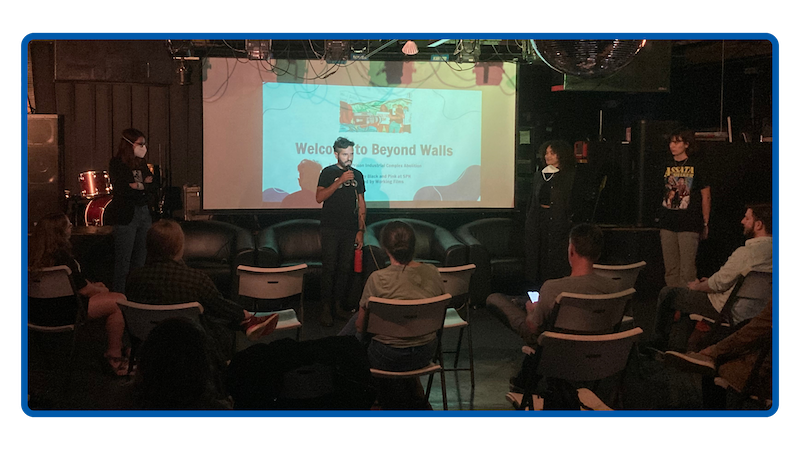 Our partnerships with local organizations and organizers have ensured that powerful media doesn’t just reach audiences—it moves them. Oakland-based organization, Critical Resistance, served as a design partner for
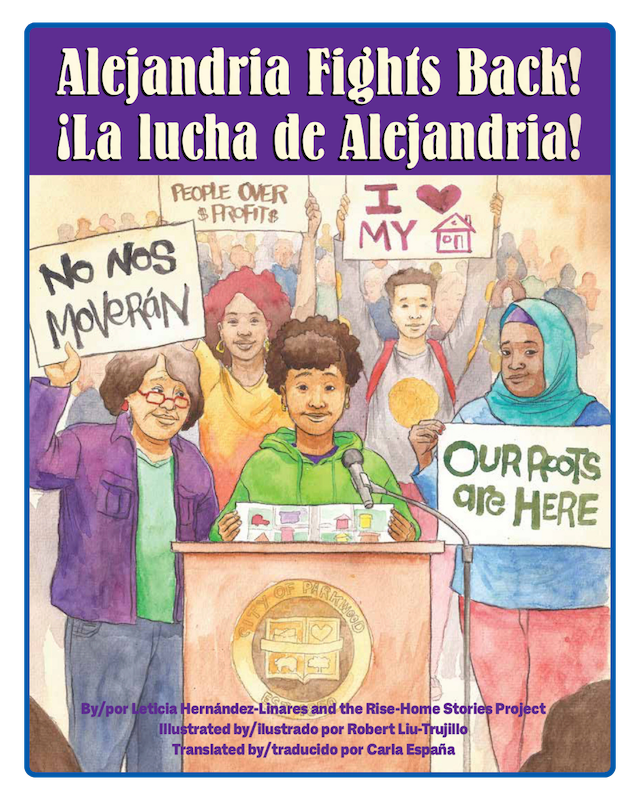 And, the Bay continues to be home to many of the remarkable filmmakers we support. This year, our