

How can films shift public understanding and inspire action for social justice? Working Films—together with our partners at The Light Factory and The School of Good Citizenship— is leading a free online workshop on September 24th at 1pm ET focused…
LATEST NEWS
Working Films News


Announcing the 2020 Works-in-Progress Lab
The Works-in-Progress Lab (WiP) is a partnership between Cucalorus and Working Films that supports the audience engagement and impact strategies of social issue documentaries being made by Black filmmakers. The week-long virtual residency is a key program of the annual…
The Works-in-Progress Lab (WiP) is a partnership between Cucalorus and Working Films that supports the audience engagement and impact strategies of social issue documentaries being made by Black filmmakers. The week-long virtual residency is a key program of the annual Cucalorus. Five filmmakers receive extensive community feedback during a series of public and private screenings, workshops, and one-on-one consultations with expert mentors.
We’re thrilled to announce that the following documentary films have been selected for the 2020 WiP lab:
17 Days directed by and about Christine Varisse, is a dissection of her immigration journey prompted after receiving a notice of deportation. In the film, she retraces her footsteps towards citizenship while rebuilding the relationship with her mother broken by the immigration system while examining a variety of issues that historically and still today impact the system, in particular black immigration rights.
Saltwata Vibes: Sankofa Seeds from Geechee Roots directed by Sherard Duvall examines how the 20-40 year old generation of Gullah Geechee are redefining their identity and reclaiming their power through creating a modern musical expression that is wholly their own. Following a Gullah Geechee brother and sister, descendants of the enslaved from West Africa, who are on a quest to evolve their culture. Can evolution keep it alive?
This Belongs To Us directed by Atinuke Diver questions how beer brewing, a practice that began in Africa, became synonymous with White male identity in the United States, and will cover the historical, systemic and current barriers faced by Black-owned breweries in general, as well as in particular for a Black, woman/female brewer in the American South, Eastern North Carolina.
These Kids This City directed by Dorian Munroe, is centered around the young people of Liberty City Miami and its infamous bike culture, which reaches its pinnacle every Martin Luther King Day, when thousands flood the streets on dirt bikes and four wheelers riding in a form of rebellion and community.
They Tried to Bury Us directed by nationally recognized activist Bree Newsome, documents unfolding events as her hometown becomes the epicenter of national clashes over racism and other systemic problems, exploring how the city’s commitment to host the 2020 Republican convention highlights contradictions between Charlotte’s projected image as a progressive city and its continued legacy of segregation.
The Works-in-Progress Lab is designed and led by Working Films, a twenty year old Wilmington based nonprofit organization that is nationally recognized for it’s work using documentaries as a resource to inform and involve communities in addressing social and environmental issues that impact their lives. The 2020 Works-in-Progress Lab mentors include acclaimed filmmakers Byron Hurt and Jacqueline Olive.
Working Films News

Three social justice online screening events in June 2020
Are you looking to engage in more conversations about racial justice? Or maybe there are people you know who are looking to expand their analysis and understanding of systemic inequities? We invite you to join us for our upcoming online…
Are you looking to engage in more conversations about racial justice? Or maybe there are people you know who are looking to expand their analysis and understanding of systemic inequities? We invite you to join us for our upcoming online screening events this week and next, which will tackle environmental racism, immigrant justice, and equity during disasters. Please spread the word to your networks!
 Mossville: When Great Trees Fall
June 16 @ 7pm ET
RSVP here for streaming link
Presented with Partnership For Southern Equity
What does environmental racism mean? Join Partnership for Southern Equity and Working Films for a “Juneteenth Chat and Chill” featuring Mossville: When Great Trees Fall. The film tells the story of Mossville, Louisiana: A once-thriving community founded by formerly enslaved and free people of color, and an economically flourishing safe haven for generations of African American families. Today it’s a breeding ground for petrochemical plants and their toxic black clouds. Many residents are forced from their homes, and those that stay suffer from prolonged exposure to contamination and pollution. Amid this chaos and injustice stands one man who refuses to abandon his family’s land - and his community. The screening will be followed by a discussion hosted by Partnership for Southern Equity’s Organizing Unit with filmmaker Alexander Glustrom.
 Stories Beyond Borders
June 18 @ 7pm ET
RSVP here for streaming link
Presented in partnership with Women AdvaNCe
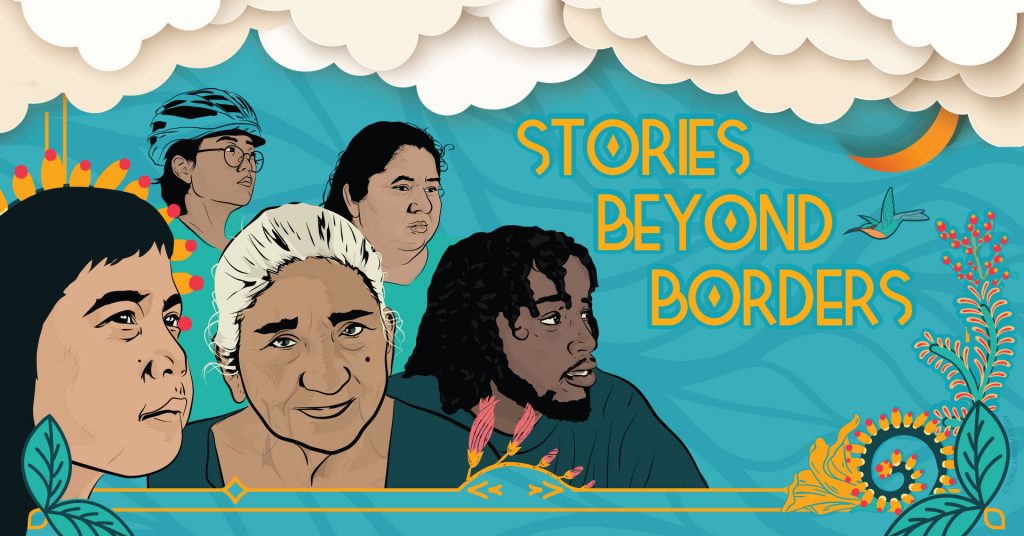
How can you contribute your time, energy and resources to support immigrant led organizing? This collection of five shorts is part of Working Films’ film-driven organizing campaign broadening the narrative of who is impacted by racist, inhumane immigration policies while lifting up the ways we can organize in response. The screening will be followed by a conversation with Juana Luz Tobar Ortega - featured in Santuario - who has been taking sanctuary in a church for over three years to avoid deportation. The film and post-screening discussion will be available in Spanish and English.
 Revisioning Recovery Virtual Premiere
June 23 @ 6:30pm ET
RSVP here for streaming link
Presented in partnership with California Rural Legal Assistance, Houston Organizing Movement for Equity (HOME) Coalition and World Institute on Disability
What can we learn from climate disasters as we respond to the COVID-19 pandemic? Join us for the virtual premiere of Revisioning Recovery, a collection of short films that illuminate the current injustices, systems at play, and the solutions needed to prepare and respond to disasters. The screening will be followed by a discussion with community based and national leaders working to ensure emergency response and long term recovery is equitable and inclusive of all. The films will be available in English with English and Spanish closed captioning and English audio description. The post-screening discussion will include English live captioning, Spanish interpretation, and International Sign.
Mossville: When Great Trees Fall
June 16 @ 7pm ET
RSVP here for streaming link
Presented with Partnership For Southern Equity
What does environmental racism mean? Join Partnership for Southern Equity and Working Films for a “Juneteenth Chat and Chill” featuring Mossville: When Great Trees Fall. The film tells the story of Mossville, Louisiana: A once-thriving community founded by formerly enslaved and free people of color, and an economically flourishing safe haven for generations of African American families. Today it’s a breeding ground for petrochemical plants and their toxic black clouds. Many residents are forced from their homes, and those that stay suffer from prolonged exposure to contamination and pollution. Amid this chaos and injustice stands one man who refuses to abandon his family’s land - and his community. The screening will be followed by a discussion hosted by Partnership for Southern Equity’s Organizing Unit with filmmaker Alexander Glustrom.
Stories Beyond Borders
June 18 @ 7pm ET
RSVP here for streaming link
Presented in partnership with Women AdvaNCe
How can you contribute your time, energy and resources to support immigrant led organizing? This collection of five shorts is part of Working Films’ film-driven organizing campaign broadening the narrative of who is impacted by racist, inhumane immigration policies while lifting up the ways we can organize in response. The screening will be followed by a conversation with Juana Luz Tobar Ortega - featured in Santuario - who has been taking sanctuary in a church for over three years to avoid deportation. The film and post-screening discussion will be available in Spanish and English.
Revisioning Recovery Virtual Premiere
June 23 @ 6:30pm ET
RSVP here for streaming link
Presented in partnership with California Rural Legal Assistance, Houston Organizing Movement for Equity (HOME) Coalition and World Institute on Disability
What can we learn from climate disasters as we respond to the COVID-19 pandemic? Join us for the virtual premiere of Revisioning Recovery, a collection of short films that illuminate the current injustices, systems at play, and the solutions needed to prepare and respond to disasters. The screening will be followed by a discussion with community based and national leaders working to ensure emergency response and long term recovery is equitable and inclusive of all. The films will be available in English with English and Spanish closed captioning and English audio description. The post-screening discussion will include English live captioning, Spanish interpretation, and International Sign.
Working Films News

2020 IMPACT KICKSTART AWARDEES
Now in its third year, Working Films’ IMPACT KICKSTART program has helped underrepresented filmmakers create strategic goals for impact and specific plans to engage future partners, funders, and audiences in meaningful ways. We are thrilled to announce the four documentaries…
Now in its third year, Working Films’ IMPACT KICKSTART program has helped underrepresented filmmakers create strategic goals for impact and specific plans to engage future partners, funders, and audiences in meaningful ways. We are thrilled to announce the four documentaries getting an Impact Kickstart in 2020!
DUTY FREE by Sian-Pierre Regis (Director) and Meredith Chin (Producer)
 After a 75-year-old immigrant mother gets fired from her job, her son takes her on a bucket-list adventure to reclaim her life. As she struggles to find work, he documents a journey that uncovers the betrayals plaguing her past and the economic insecurity shaping not only her future, but also that of an entire generation. Duty Free is a personal adventure documentary that uniquely examines issues of aging, economic insecurity, and family.
.
LITTLE SALLIE WALKER by Marta Effinger-Crichlow (Director/ Producer), Ann Bennett (Producer), Michael Dinwiddie (Producer), Princess A. Hairston (Editor/Producer)
 Play is a lifeline for black girls across the generations. Little Sallie Walker tells the story of Patricia, Billie Jean, Raisha, Kristi and a collection of resilient black women and girls, who understand that coming of age in America has involved creating worlds-of-make-believe through different types of play. Patty cake, dress up, double dutch, doll-making, jacks, and hide-and-seek have offered sanctuary from discrimination, violence, and poverty. From New York, Alabama, California, and Washington State, they share and demonstrate how play lets them take their place in the center of their universe. While it exposes the beauty of black girl culture, play also fuels painful recollections of their struggles within their communities and in the larger society. In this impassioned and lyrical story, black women and girls attempt to find and affirm their whole selves as they navigate America.
UNAPOLOGETIC by Ashley O'Shay (Director/Producer) and Morgan Elise Johnson (Producer)
 During the height of the Movement for Black Lives in Chicago, Unapologetic captures a community of millennial organizers confronting an administration complicit in state violence against its Black residents. Janaé and Bella, two Black queer women organizers, provide an intimate peek into the personal and political battles that transformed Chicago, from the police murder of Rekia Boyd to the election of Mayor Lori Lightfoot.
.
.
.
40 DAYS & 40 NIGHTS by Dara Kell (Director) and Sabrina Schmidt Gordon (Producer)
 40 Days & 40 Nights follows civil rights leader Reverend Dr. William Barber as he revives Dr. Martin Luther King’s 1968 Poor People’s Campaign. Told through song, prayer and personal narratives, 40 Days & 40 Nights is an intimate account of a "season of resistance” as a diverse coalition of thousands unite to end poverty and heal the nation.
.
.
After a 75-year-old immigrant mother gets fired from her job, her son takes her on a bucket-list adventure to reclaim her life. As she struggles to find work, he documents a journey that uncovers the betrayals plaguing her past and the economic insecurity shaping not only her future, but also that of an entire generation. Duty Free is a personal adventure documentary that uniquely examines issues of aging, economic insecurity, and family.
.
LITTLE SALLIE WALKER by Marta Effinger-Crichlow (Director/ Producer), Ann Bennett (Producer), Michael Dinwiddie (Producer), Princess A. Hairston (Editor/Producer)
Play is a lifeline for black girls across the generations. Little Sallie Walker tells the story of Patricia, Billie Jean, Raisha, Kristi and a collection of resilient black women and girls, who understand that coming of age in America has involved creating worlds-of-make-believe through different types of play. Patty cake, dress up, double dutch, doll-making, jacks, and hide-and-seek have offered sanctuary from discrimination, violence, and poverty. From New York, Alabama, California, and Washington State, they share and demonstrate how play lets them take their place in the center of their universe. While it exposes the beauty of black girl culture, play also fuels painful recollections of their struggles within their communities and in the larger society. In this impassioned and lyrical story, black women and girls attempt to find and affirm their whole selves as they navigate America.
UNAPOLOGETIC by Ashley O'Shay (Director/Producer) and Morgan Elise Johnson (Producer)
During the height of the Movement for Black Lives in Chicago, Unapologetic captures a community of millennial organizers confronting an administration complicit in state violence against its Black residents. Janaé and Bella, two Black queer women organizers, provide an intimate peek into the personal and political battles that transformed Chicago, from the police murder of Rekia Boyd to the election of Mayor Lori Lightfoot.
.
.
.
40 DAYS & 40 NIGHTS by Dara Kell (Director) and Sabrina Schmidt Gordon (Producer)
40 Days & 40 Nights follows civil rights leader Reverend Dr. William Barber as he revives Dr. Martin Luther King’s 1968 Poor People’s Campaign. Told through song, prayer and personal narratives, 40 Days & 40 Nights is an intimate account of a "season of resistance” as a diverse coalition of thousands unite to end poverty and heal the nation.
.
.
Congratulations to the film teams selected. We look forward to the work ahead!
ABOUT IMPACT KICKSTART Impact Kickstart was launched with the understanding that a solid strategy for audience engagement and strong partnerships are critical for a documentary film to make a difference. Filmmakers often lack time to do this work themselves or the expertise and the funds to pay for it. Emerging artists, creators of color, and other underrepresented filmmakers can face the biggest hurdles, despite the potential of their projects. To respond to this challenge, Working Films offers free impact campaign development services to underrepresented artists whose films hold great promise to shift understanding and catalyze action that addresses some of the most critical issues of our time. Impact Kickstart is made possible through generous support from the John D. and Catherine T. MacArthur Foundation.
Working Films News
The 2020 Rural Cinema Cohort
Rural Cinema is a training institute and community engagement program aimed at supporting rural leaders across the United States in using films as a resource in their work. The program supports participants in holding live community events that engage their…
Rural Cinema is a training institute and community engagement program aimed at supporting rural leaders across the United States in using films as a resource in their work. The program supports participants in holding live community events that engage their communities and advance their goals over the course of one year. This year's program has a special focus on serving individuals and organizations working for environmental justice and protection in areas directly impacted by polluting industries or transitioning from being economically fueled by natural resource extraction to adopting other more sustainable approaches.
Whether through virtual screenings, drive-ins, or -- once the pandemic has passed -- face-to-face gatherings, these events will create spaces for residents to come together, discuss issues affecting their communities, learn and be inspired by the visual content and one another’s experiences, and generate solutions that address their needs and priorities.
We are thrilled to announce that the 2020 Rural Cinema cohort will include: Center for Coalfield Justice (Pennsylvania), Citizens for a Healthy Community (Colorado), Good Stewards of Rockingham/Dan Riverkeeper (North Carolina), Iniciativa de EcoDesarrollo de la Bahia de Jobos (Puerto Rico), Menīkānaehkem (Wisconsin), Native Movement (Alaska), and the Rural Organizing Project (Oregon).
Center for Coalfield Justice
 The Center for Coalfield Justice is a 501(c)(3) environmental justice nonprofit in Pennsylvania whose mission is to improve policy and regulations for the oversight of fossil fuel extraction and use; to educate, empower and organize coalfield residents; and to protect public and environmental health. Their approach for working with area residents values their knowledge about the land, waterways, and communities. We provide community members with detailed information about proposed projects and potential impacts so they can make informed decisions on individual or collective actions. Their recognition of local expertise is grounded in the belief that people who live with the daily impacts of fossil fuel extraction should be treated with the utmost respect. Center for Coalfield Justice's work is informed and directed by how local people think these industries should be held accountable for impacts. By blending organizing and legal work, we seek to create an expanded set of options for achieving justice than might be produced by following solely a legal or organizing approach.
.
 Lisa DePaoli is an ecological anthropologist whose interest in the relationship between humans and nature has brought her from teaching and research to doing applied work. She is the outreach coordinator for the Center for Coalfield Justice, working with communities on the frontlines of fossil fuel extraction in Appalachia, witnessing political ecology at work in real life once again. She is excited to be a part of the Rural Cinema program and looking forward to engaging CCJ members and supporters with the materials!
Kristen Locy graduated from Allegheny College in 2018 with a degree in Environmental Studies. After a brief stint in Scotland working on a sheep farm, she came back home to Washington County, Pennsylvania to work for the Center for Coalfield Justice in the summer of 2019. Her passion lies in environmental justice and storytelling. Photographs and documentaries have inspired her activism since she was a child and she is excited to help to inspire others through the Rural Cinema initiative.
.
Citizens for a Healthy Community Citizens for a Healthy Community (CHC) is a grassroots nonprofit organization of 1500 visionaries dedicated to protecting the air, water and foodsheds within the Delta County region of Southwest Colorado from the impacts of oil and gas development and paving the way for a renewable, clean energy future. CHC was established in 2009 by a group of citizens who were concerned about the risks of large-scale oil and gas development to the community’s health.
.
 Natasha Léger is the Executive Director of Citizens For A Healthy Community (CHC). Her work in empowering the community has led to withdrawal of projects and leasing proposals that threaten the community, and widespread resistance to oil and gas development in the North Fork Valley, which serves a unique role in Colorado’s food supply, recreation economy, and biodiversity. She is an international trade attorney, turned independent business consultant, turned editor of a location intelligence magazine, turned author, turned accidental activist.
Marissa Mommaerts serves as Project Assistant for CHC. She also serves as Director of Programs for Transition US, a network of communities transitioning away from fossil fuel dependence toward local resilience. She previously worked for the Post Carbon Institute and The Aspen Institute on communications projects related to sustainable development. Marissa has a Master's Degree in International Public Affairs from the University of Wisconsin-Madison, where she co-founded a sustainable development project in partnership with UW students and an island community in Lake Victoria, Uganda. She is also a writer (madmillennials.wordpress.com) and speaker on the topics of community resilience and sustainable global development, as well as an avid gardener, homesteader, community organizer, and activist.
Good Stewards of Rockingham/Dan Riverkeeper Good Stewards of Rockingham is a grassroots environmental organization committed to protecting their region from polluting industry. Good Stewards founded the first Dan Riverkeeper in mid 2019 to further their protective reach into their vast water resources and support community rights to a clean environment.
.
 Steven Pulliam has served as President of Good Stewards since 2018 and as Dan Riverkeeper since July 2019. He and the Good Stewards have set focus on equity and inclusion, to protect and involve the communities most impacted by environmental pollution and deregulation. With the assistance of Steven's leadership, Good Stewards has grown exponentially in their mission to serve and protect their watershed through community engagement and leadership development.
Stesha Warren is a 2014 founding member of Good Stewards of Rockingham and currently serves as Secretary. With a Bachelor of Science in Agricultural Education, a minor in Agriscience and a love for the outdoors; she develops and teaches classes on foraging, mushroom production, forest farming, and homesteading skills at her farm and Rockingham Community College. Her love of all things nature is closely intertwined with her need to protect it.
.
Iniciativa de EcoDesarrollo de la Bahia de Jobos (IDEBAJO) The Iniciativa de EcoDesarrollo de la Bahia de Jobos (IDEBAJO) is an environmental organizing support hub for various grassroots groups in the Jobos Bay area of southeastern Puerto Rico. Members are committed to environmental, climate, and energy justice, rooftop community solar, supporting youth leaders, and other capacity-building and anti-pollution efforts. Rural Cinema participants are members of IDEBAJO and also have affiliations with the Casa Comunitaria de Medios/Community Media House. This communication project focuses on the creation of audiovisual media to advance popular education. The House also advocates for different mutual aid initiatives, rooted in community empowerment.
.
 Hery Colón is a 25-year-old resident of Salinas, Puerto Rico and is passionate about audiovisual production. He also facilitates community engagement in the Casa Comunitaria de Medios, through art and other community activities.
..
.
.
Mabette Colón is 20 years old and an environmental justice activist who lives in southwest Puerto Rico. Her work includes EPA public hearings, congressional meetings, and youth camp organizing. For these efforts, she won the 2019 CEHN youth leadership award.
.
.
.
Catalina de Onís is another member of the Iniciativa de Eco-Desarrollo de la Bahia de Jobos. She is participating in the Rural Cinema workshops and has facilitated the process of amplifying the vital work of Puerto Rico-based environmental justice community change-makers, like Hery and Mabette..
Menīkānaehkem Menīkānaehkem, Inc is a non-profit organization located on the Menominee Indian Reservation in Wisconsin. Much of Menīkānaehkem is operated by indigenous organizers who take the lead on a number of different initiatives that Menīkānaehkem works on. Menīkānaehkem is driven to promote a cultural way of life while revitalizing indigenous identity and language.
Menīkānaehkem has the following initiatives: Women's Leadership Cohort, Energy Sovereignty, Back 40 Mine, Food Sovereignty, Culture Group, Youth Leadership Cohort, and Menominee Men. Menīkānaehkem works on bringing unity to their community by using hearts and minds as one.
.
 Maria L. Haskins, Boozhoo, Nayezhigookwe is an activist and community organizer with Menīkānaehkem, Inc. Maria has earned her masters degree in social work and has worked in different level positions where she has been able to see the injustices that occur within her community and people. Maria is using the experience she has gained with her career to advocate for social and environmental justice focusing primarily on indigenous people.
.
Anahkwet (Guy Reiter) is a traditional Menominee who resides on the Menominee Reservation. He’s the Executive Director of Menikahnaehkem. He's also a Community organizer, activist, author, amateur archaeologist and lecturer. He is a member of the Menominee Constitutional Taskforce. Anahkwet has organized a lot of events that have uplifted the human condition and demonstrated how enriching the Menominee culture is. He has lectured at Universities on the connection Menominee Indians have to the Menominee River. He's also written articles for Environmental Health News and other publications. When Anahkwet isn't working, you'll find him enjoying time with his wife and children. Anahkwet is an advocate for indigenous people everywhere.
Native Movement Founded in 2003 out of Arctic Village, Alaska, Native Movement's initial campaign was to help build a collective Alaska Native voice for the recognition of Indigenous hunting and fishing rights. By 2007 Native Movement had become formally incorporated as a 501c3 non-profit and grown to a west-coast collective. Native Movement has provided leadership and support for grassroots-led projects that endeavor to ensure Indigenous Peoples’ rights, the rights of Mother Earth, and the building of healthy and sustainable communities for all. They believe in building equitable and respectful community organizing practices, getting to the root of the matter, uplifting intersectionality, and furthering a healing path. Understanding the impacts of the power and privilege structures of colonialism, racism, patriarchy, and capitalism is essential. Native Movement also recognizes that committing to healing practices both in our work and our lives is essential to the longevity and joy of the work before us.
Native Movement trainings, workshops, and camps are not exclusive to Indigenous peoples; rather their leadership model is shaped from an Indigenous worldview, which emphasizes deep acknowledgment of place-based knowledge and the joy and responsibility of building community.
.
Rural Organizing Project
 Rural Organizing Project (ROP) is a statewide organization that supports a multi-issue, rural-centered, grassroots base of over 65 groups across small-town, rural, and frontier Oregon. ROP works to build and support a shared standard of human dignity: the belief in the equal worth of all people, the need for equal access to justice, and the right to self-determination. Their mission is to strengthen the skills, resources, and vision of primary leadership in local autonomous human dignity groups with a goal of keeping such groups a vibrant source for a just democracy.
The Center for Coalfield Justice is a 501(c)(3) environmental justice nonprofit in Pennsylvania whose mission is to improve policy and regulations for the oversight of fossil fuel extraction and use; to educate, empower and organize coalfield residents; and to protect public and environmental health. Their approach for working with area residents values their knowledge about the land, waterways, and communities. We provide community members with detailed information about proposed projects and potential impacts so they can make informed decisions on individual or collective actions. Their recognition of local expertise is grounded in the belief that people who live with the daily impacts of fossil fuel extraction should be treated with the utmost respect. Center for Coalfield Justice's work is informed and directed by how local people think these industries should be held accountable for impacts. By blending organizing and legal work, we seek to create an expanded set of options for achieving justice than might be produced by following solely a legal or organizing approach.
.
Lisa DePaoli is an ecological anthropologist whose interest in the relationship between humans and nature has brought her from teaching and research to doing applied work. She is the outreach coordinator for the Center for Coalfield Justice, working with communities on the frontlines of fossil fuel extraction in Appalachia, witnessing political ecology at work in real life once again. She is excited to be a part of the Rural Cinema program and looking forward to engaging CCJ members and supporters with the materials!
Kristen Locy graduated from Allegheny College in 2018 with a degree in Environmental Studies. After a brief stint in Scotland working on a sheep farm, she came back home to Washington County, Pennsylvania to work for the Center for Coalfield Justice in the summer of 2019. Her passion lies in environmental justice and storytelling. Photographs and documentaries have inspired her activism since she was a child and she is excited to help to inspire others through the Rural Cinema initiative.
.
Citizens for a Healthy Community
Citizens for a Healthy Community (CHC) is a grassroots nonprofit organization of 1500 visionaries dedicated to protecting the air, water and foodsheds within the Delta County region of Southwest Colorado from the impacts of oil and gas development and paving the way for a renewable, clean energy future. CHC was established in 2009 by a group of citizens who were concerned about the risks of large-scale oil and gas development to the community’s health.
.
Natasha Léger is the Executive Director of Citizens For A Healthy Community (CHC). Her work in empowering the community has led to withdrawal of projects and leasing proposals that threaten the community, and widespread resistance to oil and gas development in the North Fork Valley, which serves a unique role in Colorado’s food supply, recreation economy, and biodiversity. She is an international trade attorney, turned independent business consultant, turned editor of a location intelligence magazine, turned author, turned accidental activist.
Marissa Mommaerts serves as Project Assistant for CHC. She also serves as Director of Programs for Transition US, a network of communities transitioning away from fossil fuel dependence toward local resilience. She previously worked for the Post Carbon Institute and The Aspen Institute on communications projects related to sustainable development. Marissa has a Master's Degree in International Public Affairs from the University of Wisconsin-Madison, where she co-founded a sustainable development project in partnership with UW students and an island community in Lake Victoria, Uganda. She is also a writer (madmillennials.wordpress.com) and speaker on the topics of community resilience and sustainable global development, as well as an avid gardener, homesteader, community organizer, and activist.
Good Stewards of Rockingham/Dan Riverkeeper
Good Stewards of Rockingham is a grassroots environmental organization committed to protecting their region from polluting industry. Good Stewards founded the first Dan Riverkeeper in mid 2019 to further their protective reach into their vast water resources and support community rights to a clean environment.
.
Steven Pulliam has served as President of Good Stewards since 2018 and as Dan Riverkeeper since July 2019. He and the Good Stewards have set focus on equity and inclusion, to protect and involve the communities most impacted by environmental pollution and deregulation. With the assistance of Steven's leadership, Good Stewards has grown exponentially in their mission to serve and protect their watershed through community engagement and leadership development.
Stesha Warren is a 2014 founding member of Good Stewards of Rockingham and currently serves as Secretary. With a Bachelor of Science in Agricultural Education, a minor in Agriscience and a love for the outdoors; she develops and teaches classes on foraging, mushroom production, forest farming, and homesteading skills at her farm and Rockingham Community College. Her love of all things nature is closely intertwined with her need to protect it.
.
Iniciativa de EcoDesarrollo de la Bahia de Jobos (IDEBAJO)
The Iniciativa de EcoDesarrollo de la Bahia de Jobos (IDEBAJO) is an environmental organizing support hub for various grassroots groups in the Jobos Bay area of southeastern Puerto Rico. Members are committed to environmental, climate, and energy justice, rooftop community solar, supporting youth leaders, and other capacity-building and anti-pollution efforts. Rural Cinema participants are members of IDEBAJO and also have affiliations with the Casa Comunitaria de Medios/Community Media House. This communication project focuses on the creation of audiovisual media to advance popular education. The House also advocates for different mutual aid initiatives, rooted in community empowerment.
.
Hery Colón is a 25-year-old resident of Salinas, Puerto Rico and is passionate about audiovisual production. He also facilitates community engagement in the Casa Comunitaria de Medios, through art and other community activities.
..
.
.
Mabette Colón is 20 years old and an environmental justice activist who lives in southwest Puerto Rico. Her work includes EPA public hearings, congressional meetings, and youth camp organizing. For these efforts, she won the 2019 CEHN youth leadership award.
.
.
.
Catalina de Onís is another member of the Iniciativa de Eco-Desarrollo de la Bahia de Jobos. She is participating in the Rural Cinema workshops and has facilitated the process of amplifying the vital work of Puerto Rico-based environmental justice community change-makers, like Hery and Mabette..
Menīkānaehkem
Menīkānaehkem, Inc is a non-profit organization located on the Menominee Indian Reservation in Wisconsin. Much of Menīkānaehkem is operated by indigenous organizers who take the lead on a number of different initiatives that Menīkānaehkem works on. Menīkānaehkem is driven to promote a cultural way of life while revitalizing indigenous identity and language.
Menīkānaehkem has the following initiatives: Women's Leadership Cohort, Energy Sovereignty, Back 40 Mine, Food Sovereignty, Culture Group, Youth Leadership Cohort, and Menominee Men. Menīkānaehkem works on bringing unity to their community by using hearts and minds as one.
.
Maria L. Haskins, Boozhoo, Nayezhigookwe is an activist and community organizer with Menīkānaehkem, Inc. Maria has earned her masters degree in social work and has worked in different level positions where she has been able to see the injustices that occur within her community and people. Maria is using the experience she has gained with her career to advocate for social and environmental justice focusing primarily on indigenous people.
.
Anahkwet (Guy Reiter) is a traditional Menominee who resides on the Menominee Reservation. He’s the Executive Director of Menikahnaehkem. He's also a Community organizer, activist, author, amateur archaeologist and lecturer. He is a member of the Menominee Constitutional Taskforce. Anahkwet has organized a lot of events that have uplifted the human condition and demonstrated how enriching the Menominee culture is. He has lectured at Universities on the connection Menominee Indians have to the Menominee River. He's also written articles for Environmental Health News and other publications. When Anahkwet isn't working, you'll find him enjoying time with his wife and children. Anahkwet is an advocate for indigenous people everywhere.
Native Movement
Founded in 2003 out of Arctic Village, Alaska, Native Movement's initial campaign was to help build a collective Alaska Native voice for the recognition of Indigenous hunting and fishing rights. By 2007 Native Movement had become formally incorporated as a 501c3 non-profit and grown to a west-coast collective. Native Movement has provided leadership and support for grassroots-led projects that endeavor to ensure Indigenous Peoples’ rights, the rights of Mother Earth, and the building of healthy and sustainable communities for all. They believe in building equitable and respectful community organizing practices, getting to the root of the matter, uplifting intersectionality, and furthering a healing path. Understanding the impacts of the power and privilege structures of colonialism, racism, patriarchy, and capitalism is essential. Native Movement also recognizes that committing to healing practices both in our work and our lives is essential to the longevity and joy of the work before us.
Native Movement trainings, workshops, and camps are not exclusive to Indigenous peoples; rather their leadership model is shaped from an Indigenous worldview, which emphasizes deep acknowledgment of place-based knowledge and the joy and responsibility of building community.
.
 Sara Siqiñiq Thomas is raising her family in Utqiaġvik, AK, her home since she was 10 years old. Since completing a B.A. in International Relations at the University of Hawaii Mānoa, she has worked in education, stakeholder relations for oil and gas, and workforce development. Through the UAF Rural Development M.A. program she figured out how to combine her passions: community-building around land, air, and water for community wellness, and Iñupiaq language and culture revitalization.
Rural Organizing Project
Rural Organizing Project (ROP) is a statewide organization that supports a multi-issue, rural-centered, grassroots base of over 65 groups across small-town, rural, and frontier Oregon. ROP works to build and support a shared standard of human dignity: the belief in the equal worth of all people, the need for equal access to justice, and the right to self-determination. Their mission is to strengthen the skills, resources, and vision of primary leadership in local autonomous human dignity groups with a goal of keeping such groups a vibrant source for a just democracy.
ROP began in 1992 as a response to the Oregon Citizens Alliance’s Abnormal Behaviors Initiative, which targeted gay and lesbian Oregonians for legalized second-class citizenship and intentionally built up a base across rural Oregon. Today, ROP and ROP's member groups lead campaigns and programs at the intersections of economic, racial, gender, and climate justice, centering human dignity and democracy while tackling detentions, deportations, and Immigration and Customs Enforcement contracts, resourcing and connecting rural media-makers, challenging the anti-democratic Right, and organizing for the long haul vision of a rural Oregon where everyone can live their lives fully with safety and dignity. Check out their podcast Rural Roots Rising to hear about ROP members' work in their own words!
.
 Jess Campbell is the Executive Director and an organizer with the Rural Organizing Project, co-author of Up In Arms: A Guide to Oregon's Patriot Movement, and a small farmer based in Southwestern Oregon. Over the last decade, Jess has worked with some of the most rural communities in Oregon to fight for the commons from post offices to libraries, to organize and counter organize in frontline communities reeling from vigilante and state violence and white nationalist organizing, and to advance experimental campaigns at the intersections of racial, economic, and social justice.
.
Emma Ronai-Durning is an organizer with the Rural Organizing Project based in Central Oregon. Her work focuses on supporting volunteer-run human dignity groups to demystify and participate in local public budgeting processes, bolster community-owned rural media, and break the ties between local law enforcement and ICE (Immigration and Customs Enforcement).
Jess Campbell is the Executive Director and an organizer with the Rural Organizing Project, co-author of Up In Arms: A Guide to Oregon's Patriot Movement, and a small farmer based in Southwestern Oregon. Over the last decade, Jess has worked with some of the most rural communities in Oregon to fight for the commons from post offices to libraries, to organize and counter organize in frontline communities reeling from vigilante and state violence and white nationalist organizing, and to advance experimental campaigns at the intersections of racial, economic, and social justice.
.
Emma Ronai-Durning is an organizer with the Rural Organizing Project based in Central Oregon. Her work focuses on supporting volunteer-run human dignity groups to demystify and participate in local public budgeting processes, bolster community-owned rural media, and break the ties between local law enforcement and ICE (Immigration and Customs Enforcement).
.
Rural Cinema is made possible with generous support from the Kendeda Fund, Putnam Foundation, Wyncote Foundation, and the Z. Smith Reynolds Foundation.
Working Films News

Celebrating 20 Years!
Working Films has decided to postpone our 20th Anniversary celebration. As an organization, we deeply value and strive to practice accountability in all of the work that we do. In the wake of the COVID-19 virus outbreak, we have been…
 Working Films has decided to postpone our 20th Anniversary celebration. As an organization, we deeply value and strive to practice accountability in all of the work that we do. In the wake of the COVID-19 virus outbreak, we have been reflecting on what accountability looks like now, in regard to bringing large groups of people together at events. We have weighed our choices, being mindful not to fan the flames of fear while responding appropriately and responsibly. The bottom line is that we are committed to creating events that are inclusive and welcoming. And we want to do our best to contribute to public health and safety. We recognize that many members of our community do not have the privilege of taking a risk or are understandably concerned about attending public gatherings at this time. Therefore we have decided to postpone our April 23rd anniversary celebration in New York City. We are grateful to others in our movement and film circles for providing tools and modeling ways to center collective care, which helped us make this difficult decision.
Please continue to stay connected with us for updates about rescheduling the Working Films 20th Anniversary party. We look forward to celebrating with you later!
Working Films News

Announcing the 2019 Docs in Action Film Fund Recipients
Working Films launched the Docs In Action Film Fund in 2018 to support the production of short documentaries that address critical issues of social and environmental justice. This year's call for proposals sought nonfiction films that tell a fuller story…
Working Films launched the Docs In Action Film Fund in 2018 to support the production of short documentaries that address critical issues of social and environmental justice. This year's call for proposals sought nonfiction films that tell a fuller story of immigration. We looked for films that reveal the harms perpetuated by immigration enforcement practices that extend beyond the crisis at the border, as well as films that expand popular understanding of immigrants and their varied experiences.
We are excited to announce that we have awarded a total of $60,000 in completion funding to Maya Cueva for Ale Libre, Brian Redondo for Keep Them Home, and Set Hernandez Rongkilyo for COVER/AGE.
Ale Libre by Maya Cueva
 In 2009, Alejandra was pulled over by a police officer posted outside of a well-known Latinx nightclub, resulting in a DUI. Two years later, she was hit with another DUI for marijuana. During a probation check-in, an unsuspecting Alejandra came face-to-face with two ICE officers who detained her immediately for deportation. After a two year fight, Alejandra was released from the for-profit Eloy Detention Center in Arizona in 2013. While imprisoned, her ideals found strength and she grew to become a fierce abortion rights and immigration rights activist. In March 2018 at an immigrant rights protest outside of the Department of Homeland Security, ICE targeted and detained her again for 40 days in Eloy. In raw, cinema-verite, Ale Libre chronicles Alejandra’s journey as she faces her case for political asylum and her last chance at freedom.
Director Maya Cueva is an award-winning multimedia producer and director. Her work has been featured on NPR's All Things Considered, Latino USA, The Atlantic, National Geographic, Cosmopolitan, The Huffington Post, StyleCaster, and NBC’s Nightly News. Maya's films have screened internationally and across the U.S., including SXSW, Palm Springs International ShortFest, and the International Youth Film Festival Langesund in Norway. She is a 2019 Sundance Ignite Fellow and a Valentine and Clark Emerging Artist Fellow at the Jacob Burns Film Center.
Keep Them Home by Brian Redondo
 Far from the southern border, in the outskirts of Boston, Cambodian and Vietnamese refugees are facing their own battle against family separation. ICE is detaining and deporting community members on a scale not seen before. Though families live in uncertain fear, refugees have developed a knack for pulling through. They learn to rally together and are doing everything they can to keep their families intact. This portrait of a community shaken examines the on-the-ground impact of a broken immigration system through the eyes of three families facing the deportation of a loved one. They laugh, they cry, and they fight on.
Director Brian Redondo is a documentary filmmaker based in Brooklyn, NY. He is committed to stories from the margins of society, often exploring issues of race, immigration, and how those topics intersect with culture. His most recent short docs, commissioned by PBS’ Art21, “Jes Fan In Flux” and “Doreen Garner Sculpts Our Trauma” illustrate the ways in which the titular artists use sculpture to unpack problems of race and gender. His first short documentaries “Why We Rise” and “The Lookout” explore immigration through the perspectives of undocumented youth in NYC and volunteers aiding refugees in Greece, respectively. He is currently helping shoot a feature documentary about Fat Beats, the iconic hip hop record store, and he is also the senior video editor at The New Yorker.
COVER/AGE by Set Hernandez Rongkilyo
 For years, advocates have been organizing to make healthcare access a right for all in California, regardless of their immigration status. Set against the backdrop of California’s Health4All campaign, COVER/AGE follows two leaders who have been championing the immigrant health justice movement in the Golden State. One is an elderly caregiver who has spent over a decade taking care of senior citizens, in spite of being ineligible for the same services she provides due to her immigration status. The other is a long-time community advocate who has been organizing directly-impacted people towards policy change at the intersection of immigrant, health, and gender justice. As the conversation around universal healthcare continues to gain momentum in the national level, this film highlights the urgency of expanding healthcare access to undocumented people by centering the unwavering voices of immigrant health justice leaders.
Director Set Hernandez Rongkilyo is the Impact Videos Producer at the California Immigrant Policy Center, which has been a key leader in the immigrant health movement. As an an undocumented immigrant filmmaker and community organizer, Set has been working since 2010 around migrant justice issues from education equity for undocumented students to deportation defense. Set’s short films have been televised, featured, and awarded in film festivals across the U.S. Currently, they are working on projects that explore the criminalization of immigrants as well as the connection between immigrant rights and disability rights. More recently, Set served as Assistant Editor and Impact Producer for PJ Raval’s documentary, Call Her Ganda, which premiered at the 2018 Tribeca Film Festival. Set is a 2018 Firelight Impact Producer Fellow, 2017 Soros Justice Fellow, 2017 IDA Emerging Filmmaker Mentorship Recipient, and 2016 at land's edge Fellow. Above all, Set is the fruit of their parents' sacrifices, their siblings' resilience, and their community's nurturing.
Working Films is committed to accountable media creation and production. We therefore gave special consideration to selecting directors whose work demonstrates this commitment to the people and communities featured in their projects. The shorts selected for Docs in Action funding will become a part of a curated set of films that will be used within community engagement efforts being developed by Working Films, in consultation with the filmmakers and partner organizations.
In 2009, Alejandra was pulled over by a police officer posted outside of a well-known Latinx nightclub, resulting in a DUI. Two years later, she was hit with another DUI for marijuana. During a probation check-in, an unsuspecting Alejandra came face-to-face with two ICE officers who detained her immediately for deportation. After a two year fight, Alejandra was released from the for-profit Eloy Detention Center in Arizona in 2013. While imprisoned, her ideals found strength and she grew to become a fierce abortion rights and immigration rights activist. In March 2018 at an immigrant rights protest outside of the Department of Homeland Security, ICE targeted and detained her again for 40 days in Eloy. In raw, cinema-verite, Ale Libre chronicles Alejandra’s journey as she faces her case for political asylum and her last chance at freedom.
Director Maya Cueva is an award-winning multimedia producer and director. Her work has been featured on NPR's All Things Considered, Latino USA, The Atlantic, National Geographic, Cosmopolitan, The Huffington Post, StyleCaster, and NBC’s Nightly News. Maya's films have screened internationally and across the U.S., including SXSW, Palm Springs International ShortFest, and the International Youth Film Festival Langesund in Norway. She is a 2019 Sundance Ignite Fellow and a Valentine and Clark Emerging Artist Fellow at the Jacob Burns Film Center.
Keep Them Home by Brian Redondo
Far from the southern border, in the outskirts of Boston, Cambodian and Vietnamese refugees are facing their own battle against family separation. ICE is detaining and deporting community members on a scale not seen before. Though families live in uncertain fear, refugees have developed a knack for pulling through. They learn to rally together and are doing everything they can to keep their families intact. This portrait of a community shaken examines the on-the-ground impact of a broken immigration system through the eyes of three families facing the deportation of a loved one. They laugh, they cry, and they fight on.
Director Brian Redondo is a documentary filmmaker based in Brooklyn, NY. He is committed to stories from the margins of society, often exploring issues of race, immigration, and how those topics intersect with culture. His most recent short docs, commissioned by PBS’ Art21, “Jes Fan In Flux” and “Doreen Garner Sculpts Our Trauma” illustrate the ways in which the titular artists use sculpture to unpack problems of race and gender. His first short documentaries “Why We Rise” and “The Lookout” explore immigration through the perspectives of undocumented youth in NYC and volunteers aiding refugees in Greece, respectively. He is currently helping shoot a feature documentary about Fat Beats, the iconic hip hop record store, and he is also the senior video editor at The New Yorker.
COVER/AGE by Set Hernandez Rongkilyo
For years, advocates have been organizing to make healthcare access a right for all in California, regardless of their immigration status. Set against the backdrop of California’s Health4All campaign, COVER/AGE follows two leaders who have been championing the immigrant health justice movement in the Golden State. One is an elderly caregiver who has spent over a decade taking care of senior citizens, in spite of being ineligible for the same services she provides due to her immigration status. The other is a long-time community advocate who has been organizing directly-impacted people towards policy change at the intersection of immigrant, health, and gender justice. As the conversation around universal healthcare continues to gain momentum in the national level, this film highlights the urgency of expanding healthcare access to undocumented people by centering the unwavering voices of immigrant health justice leaders.
Director Set Hernandez Rongkilyo is the Impact Videos Producer at the California Immigrant Policy Center, which has been a key leader in the immigrant health movement. As an an undocumented immigrant filmmaker and community organizer, Set has been working since 2010 around migrant justice issues from education equity for undocumented students to deportation defense. Set’s short films have been televised, featured, and awarded in film festivals across the U.S. Currently, they are working on projects that explore the criminalization of immigrants as well as the connection between immigrant rights and disability rights. More recently, Set served as Assistant Editor and Impact Producer for PJ Raval’s documentary, Call Her Ganda, which premiered at the 2018 Tribeca Film Festival. Set is a 2018 Firelight Impact Producer Fellow, 2017 Soros Justice Fellow, 2017 IDA Emerging Filmmaker Mentorship Recipient, and 2016 at land's edge Fellow. Above all, Set is the fruit of their parents' sacrifices, their siblings' resilience, and their community's nurturing.
Working Films is committed to accountable media creation and production. We therefore gave special consideration to selecting directors whose work demonstrates this commitment to the people and communities featured in their projects. The shorts selected for Docs in Action funding will become a part of a curated set of films that will be used within community engagement efforts being developed by Working Films, in consultation with the filmmakers and partner organizations.
The Docs in Action Film Fund is made possible with support from the John D. and Catherine T. MacArthur Foundation
Working Films News

2019 Cucalorus Works-in-Progress Lab
We are excited to announce the 2019 Cucalorus Works in Progress Lab, a week long residency that supports the audience engagement and distribution strategies of social issue documentaries being made by Black filmmakers. This year’s featured films include: Black Barbie:…
We are excited to announce the 2019 Cucalorus Works in Progress Lab, a week long residency that supports the audience engagement and distribution strategies of social issue documentaries being made by Black filmmakers. This year’s featured films include:
Black Barbie: A Documentary, directed by Lagueria Davis charts the rise of the most iconic girl toy brand of all time through the eyes of the filmmaker’s aunt, Beulah Mae Mitchell who spent 45 years working at Mattel.
Commuted, directed by Nailah Jefferson tells the story of Danielle Metz, after being sentenced as a drug kingpin to triple life plus twenty years for the crimes of her husband, has her conviction commuted by President Obama in 2016, and follows her as she tries to rebuild her relationships with family while continuing to fight a system that is incarcerating women at an unprecedented rate.
Finding Elijah, directed by Yolonda Johnson-Young is told from a mother’s perspective, and follows a young man’s journey from home into mental illness, to homelessness, and ultimately to suicide.
Mama Bears, directed by Daresha Kyi explores the many ways in which the lives of conservative, Christian mothers are utterly transformed when they decide to accept their LGBTQ children. Spread throughout the country but connected through private Facebook groups, they help each other overcome the teachings of their churches and call themselves “mama bears” as they fight ferociously for the civil rights of their children and the entire LGBTQ community.
The House I Never Knew, directed by Randall Dottin is a six-part documentary series that chronicles the lives of people struggling to fight against the negative effects of housing segregation policy.
The Works-in-Progress Lab (WiP) is designed and led by Working Films in partnership with the 25th annual Cucalorus Festival, taking place November 13-17 in downtown Wilmington, North Carolina. The five selected filmmakers will receive extensive community feedback during a series of private and public screenings, impact strategy sessions, workshops, and one-on-one consultations with expert mentors, which this year include acclaimed filmmakers Byron Hurt and Natalie Bullock Brown.