
For the first time ever, Cucalorus and Working Films are inviting the public to experience the 2025 Works-in-Progress Lab—an immersive residency that champions independent filmmakers telling powerful stories of social justice. Taking place April 22-29, 2025, at Jengo’s Playhouse in…
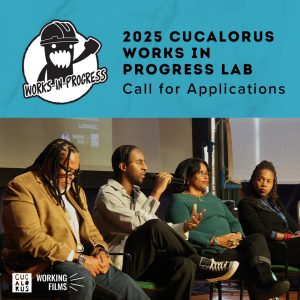
For the first time ever, Cucalorus and Working Films are inviting the public to experience the 2025 Works-in-Progress Lab—an immersive residency that champions independent filmmakers telling powerful stories of social justice. Taking place April 22-29, 2025, at Jengo’s Playhouse in downtown Wilmington, the Lab provides hands-on guidance in audience engagement and accountable storytelling. Each evening, audiences will get an exclusive first look at one of five powerful works-in-progress, with filmmakers and mentors joining in person to share insights and spark conversation. The gatherings begin at 6:30pm -- Wednesday, Thursday, Saturday, and Sunday. Monday's screening will begin at 3:00pm.
Filmmakers in this year’s cohort will refine their outreach strategies, ensuring their documentaries foster meaningful impact. The program is part of an ongoing effort to empower filmmakers with the tools to connect their stories with communities and drive change. Five filmmaking teams will receive extensive community feedback during a series of public screenings, workshops, and one-on-one consultations with mentors Jackie Olive, Byron Hurt, Akili Davis and Natalie Bullock Brown.
Designed to support independent social justice filmmakers, the Lab focuses on audience engagement and accountable storytelling, equipping participants with the tools to develop impactful outreach strategies for their documentaries. “Witnessing the relationships grow within the Lab between the cohort throughout the week is powerful and creates an environment of trust and support with aligned filmmakers, mentors and community members,” mentioned Works-in-Progress Lab organizer Stephanie Avery.
The following films have been selected for the 2025 WiP Lab:
- Women Who Ride, directed by Jessica Jones, follows Tish Edwards, founder of Oakland’s first Black women’s motorcycle club, as she balances leadership, caregiving, and her passion for riding.
- Afromystic, directed by Seyi Adebanjo, is a lyrical documentary exploring the spiritual journeys of LGBTQ+ Yoruba practitioners across Nigeria, Brazil, and the U.S. Through ritual, storytelling, and performance, the film challenges colonial erasure, highlighting Queer resilience within indigenous traditions.
- Of the Soil, directed by Alexis Bell, follows farmer and activist Kendrick Ransome, as he fights for Black food sovereignty, reclaiming land, mentoring youth, and advocating for sustainable agriculture to build a healthier future.
- Allensworth: The Town that Refuses to Die, directed by Daryl Jones, follows Black and Latine residents that are fighting climate change and hardship with resilience, preserving a legacy of survival and community.
- The Co-op: The Kids of Dorie Miller, directed by Paulina Davis, follows her family's history at NYC’s pioneering unsegregated housing co-op, The Dorie Miller Co-op, exploring its legacy of community and resistance amid today’s affordable housing crisis.
 Purchase tickets
 Flipping through family photo albums, I ask my parents what made them come to the United States from Mexico and Palestine. My mother slowly responds, “We didn’t move to the United States as immigrants looking for a better life. We were running away from something.” For me, this statement is pivotal. Growing up disconnected from my roots, I hadn’t thought much about my parents’ migration stories before. What were they running away from?
Over grainy VHS footage of our seemingly typical American family, my brother shares his definition of home. Troubled memories begin to unravel. On Christmas Day, 1997, I open presents, and a letter from “Santa” asks me to promise my mother not to cry anymore. Ramsey recounts that, although our parents loved us, he always felt something was missing.
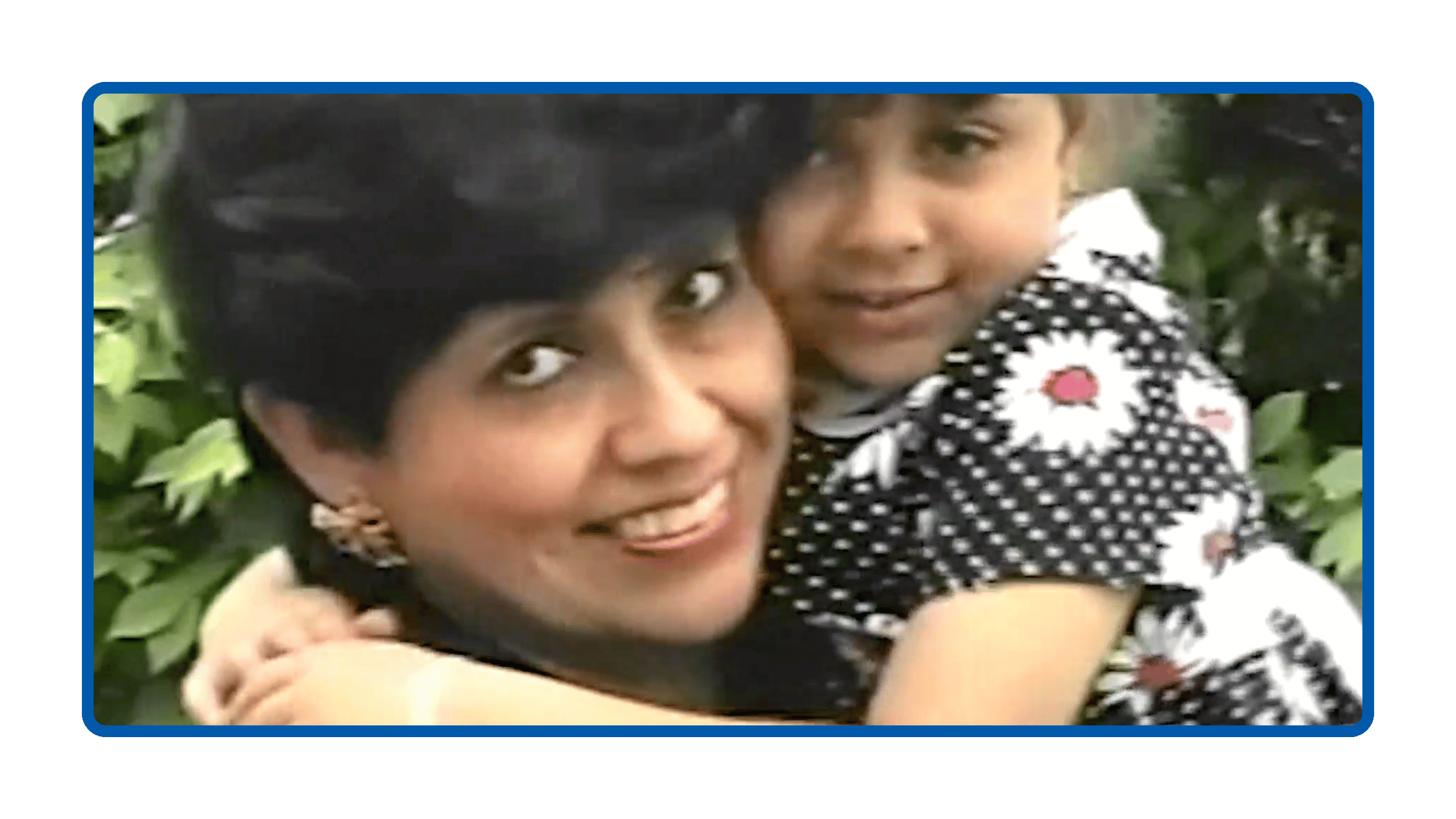 Filmed over five years, Traces of Home is a personal story about my relationship with my family through the lens of intergenerational trauma. Interweaving two international trips to find my parents’ ancestral homes in Mexico and Palestine, extensive family video archives, and intimate conversations with my family, what begins as a desire to connect to my cultural origins turns into an internal quest to heal myself and my family.
“Being selected as part of Impact Kickstart is a life-changing opportunity to serve my community through facilitating trauma healing work that is so desperately needed to transform both our inner and outer worlds,” says Colette Ghunim, Director/Producer of Traces of Home. “I am eternally grateful to partner with such a heart-centered, intentional team to strategize our collective liberation together.”
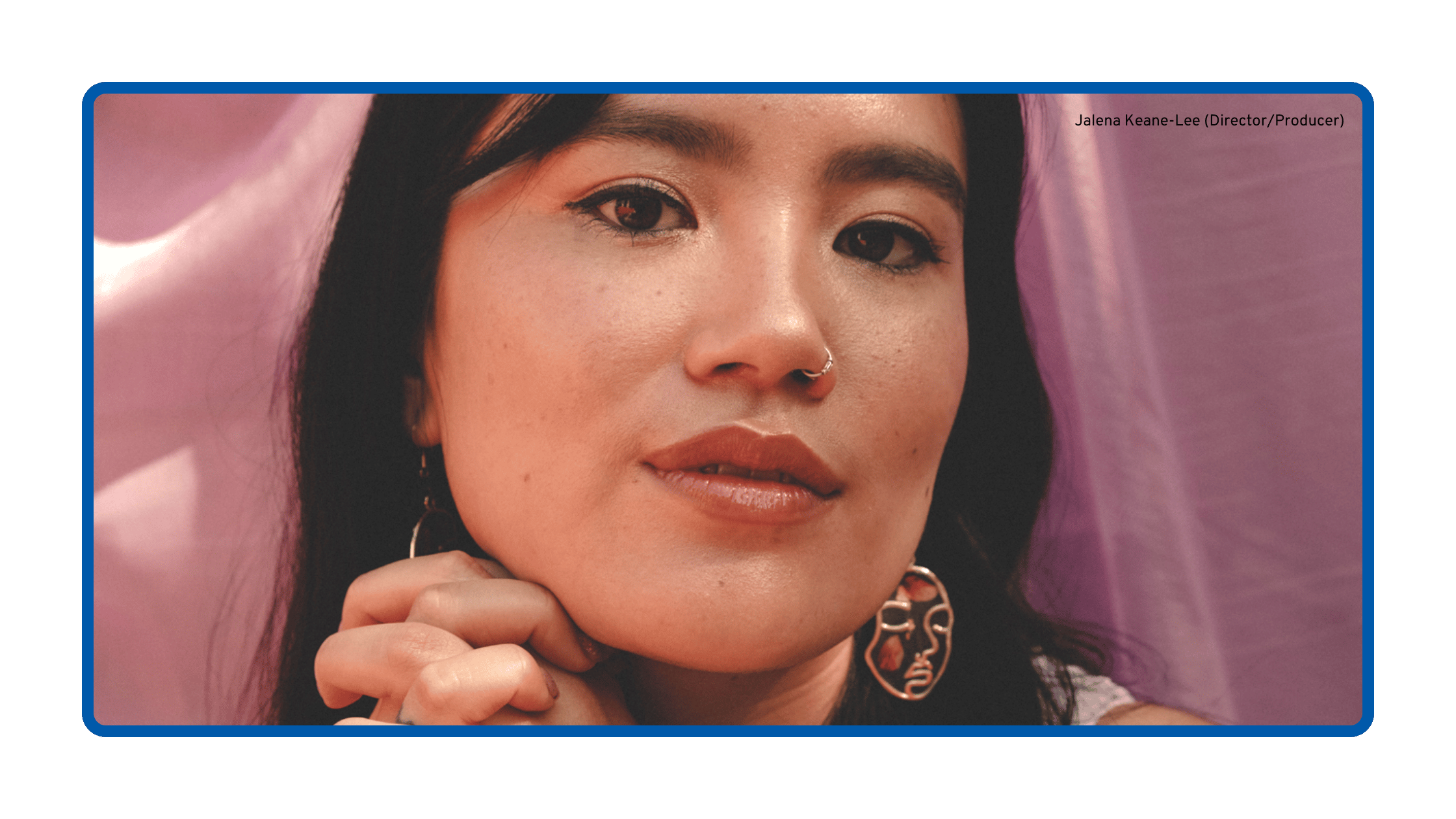 Standing Above the Clouds is an intimate look at the largest political movement in Hawaiian history and the Indigenous women leaders who have successfully sustained it since 2010. We see the history of the movement to Protect Mauna Kea through archival footage and learn of the detrimental environmental and cultural impacts past telescopes have had on the sacred mountain. At the center of the story are Pua Case and her two daughters Hāwane Rios and Kapulei Flores. They are joined by Mehana Kihoi and Leina’ala Sleightholm who have changed their families’ lives by joining the movement. We follow them through the pandemic as they work to heal from trauma and rely on community. With the fate of the telescope still to be decided, the film shows that victory is in the perseverance of a movement and the intergenerational healing found in sisterhood and cultural practice.
 “We made Standing Above the Clouds to honor indigenous women activists and help protect sacred places around the world,” says Jalena Keane-Lee, Director/Producer of Standing Above the Clouds. “We are so excited to be collaborating with Working Films on this next phase of our impact campaign!”